Phone:
(701)814-6992
Physical address:
6296 Donnelly Plaza
Ratkeville, Bahamas.

Phone:
(701)814-6992
Physical address:
6296 Donnelly Plaza
Ratkeville, Bahamas.
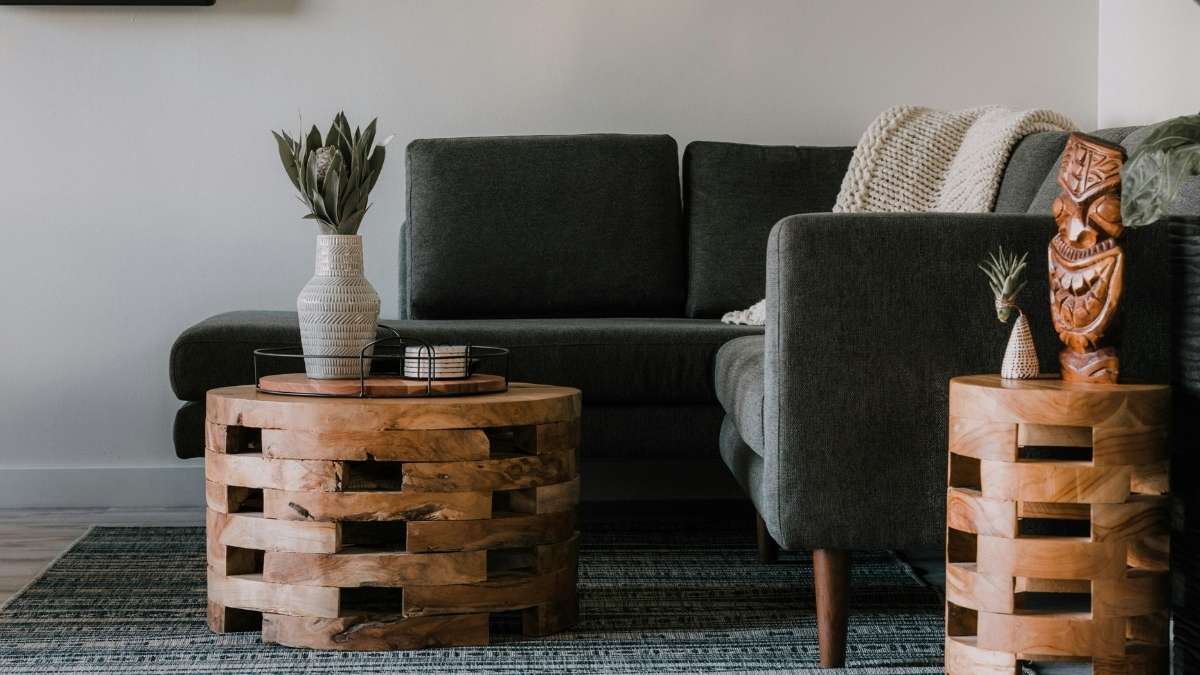
Live Edge Coffee Table designs have become a favorite choice for homeowners who want to add warmth and personality to their living spaces. Ever notice when a living room just feels a bit flat, no matter how nice the furniture is? Modern spaces look slick, but sometimes what’s missing is real warmth and personality. Let’s be honest—most coffee tables are just…okay. Not terrible, not exciting. They fill a space but rarely make anyone stop and look.
That’s exactly where live-edge coffee tables come in. They show off so much natural character that a room instantly feels more interesting. Each piece of wood brings its own twists and quirks—unique edges, knots, and grain that came straight from the tree. That wild, uneven border along the tabletop is what grabs attention first.
And it’s more than just looks. Live-edge tables soften up modern interiors, add texture, and make the whole space friendlier. Even tiny apartments feel richer with one of these tables.
This guide? It’s here to open up possibilities—design inspo, decorating tips, the best wood choices, smart ways to buy, and how to keep your table looking sharp. Whether your place leans modern, rustic, or somewhere in the middle, you’ll find something that works.
Live edge means you keep the raw, natural edge of the wood—no perfectly straight lines, no trimming away the character. The curves, bumps, and wild shapes? They stay right where the tree made them. Each table is unmistakably one-of-a-kind.
You’ll see all the knots, the grain, the unusual lines, and unevenness—those are features, not flaws. Some tables go heavy on the rustic, some go modern, but all feel way more personal than anything mass-produced.
Side-by-side with a regular factory piece, a real live-edge table demands attention. It takes center stage in the room.
Minimal and streamlined rooms are popular, but they can run cold. People want their homes to feel welcoming, lived-in—not just showroom-perfect. That’s why live-edge pieces are everywhere.
All those gorgeous Instagram posts help too. Designers adore showing off chunky slabs in their projects.
Here’s what makes these tables popular:
A live-edge table can transform a plain space. Even with neutral everything else, it creates richness and depth. Plus, who isn’t tired of seeing the same old furniture in every store? No two tables like these ever look alike.
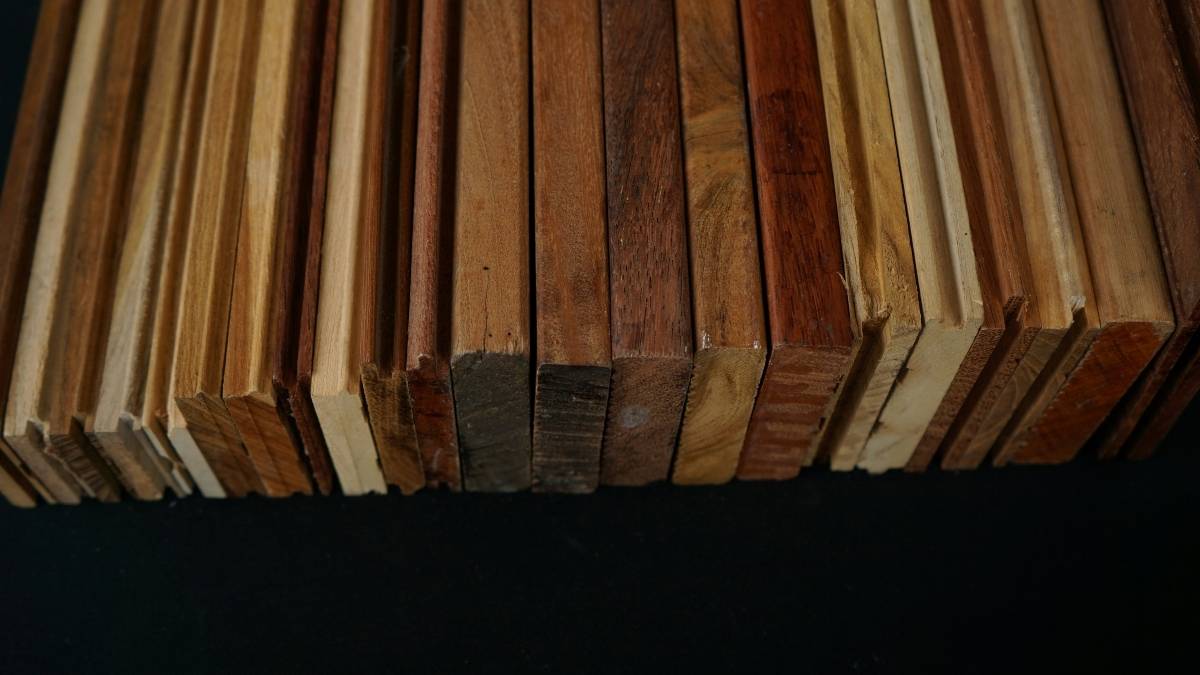
Your choice of wood sets the tone. Every species brings something different:
Walnut – Deep and luxurious; looks rich, especially with dark metals or gold.
Oak – Tough and classic, with a warm, timeless vibe.
Maple – Light, pale, and clean. Makes a space feel fresh and airy.
Acacia – Wild grain and lots of drama. Perfect for bold statement tables or “river” epoxy styles.
Teak – Light golden-brown, ages well, and stands up to moisture.
Cedar – Rustic, softer wood with loads of character. Smells nice, but needs a gentle touch.
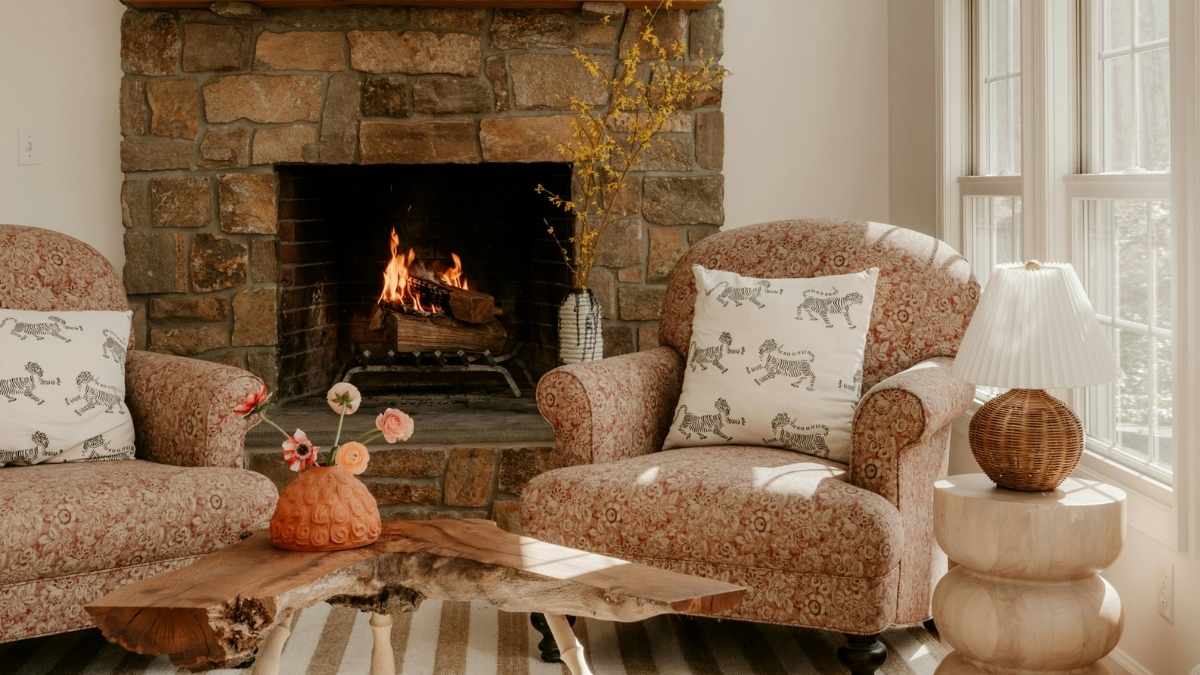
Go sleek: slim black legs, pale wood, and a neutral rug. Hairpin legs paired with maple work well. Stick with whites, beige, and soft gray for calm energy.
Emphasize the cozy: bigger, softer sofas, woven baskets, and warm colors. Skip shiny finishes—go matte and earthy.
Go bolder—chunky wood with steel or black metal legs. Works great with brick, leather, and reclaimed wood.
Choose pale woods (maple, ash), keep accessories minimal, and stay within white, cream, and light gray tones.
Dark, heavy walnut with gold or velvet accents turns any living room into something dramatic.
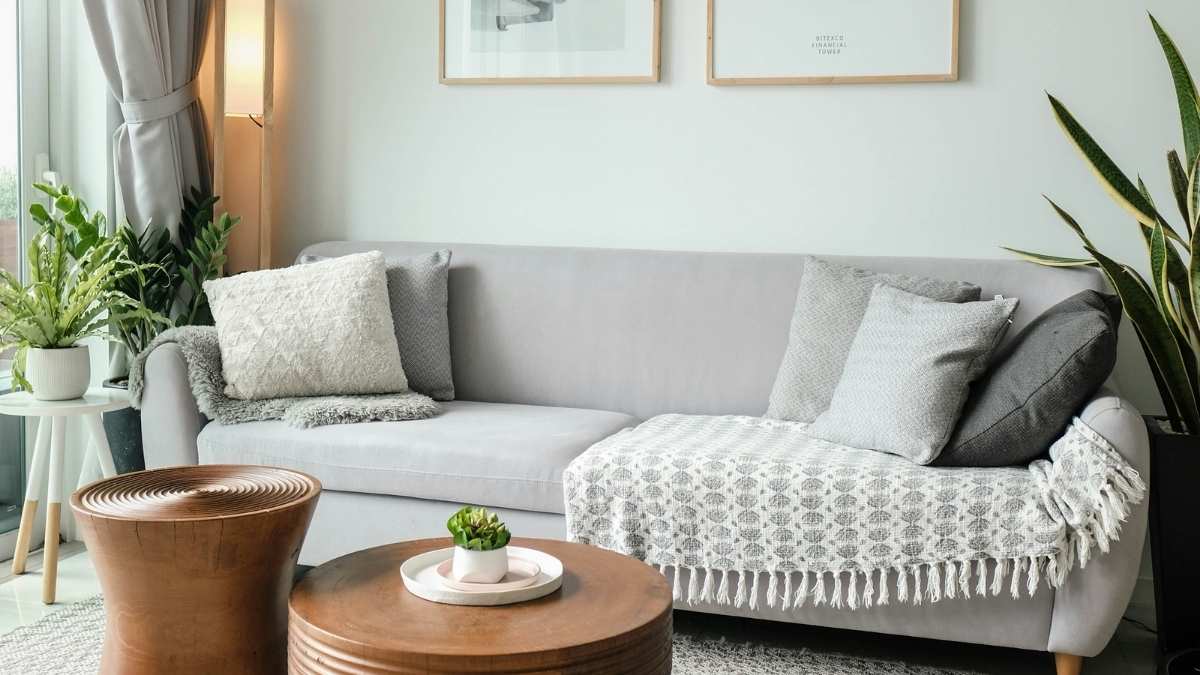
Pick a slim or small table, maybe with extra storage. Round or nesting tables help, especially in apartments.
Looking for a real conversation starter? Tables with resin “rivers” (usually blue or teal) feel like functional art—perfect for modern spots.
Add a glass top to lighten up smaller rooms while still showing off that live edge below.
Layer up: woven rugs, bold plants, a live edge table, patterned pillows. Earth tones like terracotta and sage work here.
If you love the Japanese-Scandi combo, live edge is right at home. Think calm, uncluttered, just a few carefully chosen objects.
Go ultra-modern with hidden supports, so the tabletop seems to float. Especially striking in minimalist homes.
Want a showstopper? Choose a thick, bold tabletop. Even if budget’s tight, some veneer versions give a similar look for way less.
Great for flexible spaces—split them apart for guests, tuck them together when you need space.
Old beams and salvaged boards make for tables with real history, especially great for rustic themes.
Live-edge tables feel like artwork—each has a story, a shape, and a unique grain. Regular tables? Straight lines, predictable, forgettable.
Rustic rooms: Go chunky, warm with lots of layers—think natural colors and handmade pieces.
Modern rooms: Keep things slim, simple, and uncluttered, with a neutral palette and clean lines.
Solid wood slabs: Natural, sturdy, built to last, impossible to fake entirely.
Faux versions: Cheaper, lighter, less upkeep, but miss out on that real-deal magic.
Let the table do the talking—less is more.
Readers’ eyes should land right on the wood, not on a pile of knick-knacks.
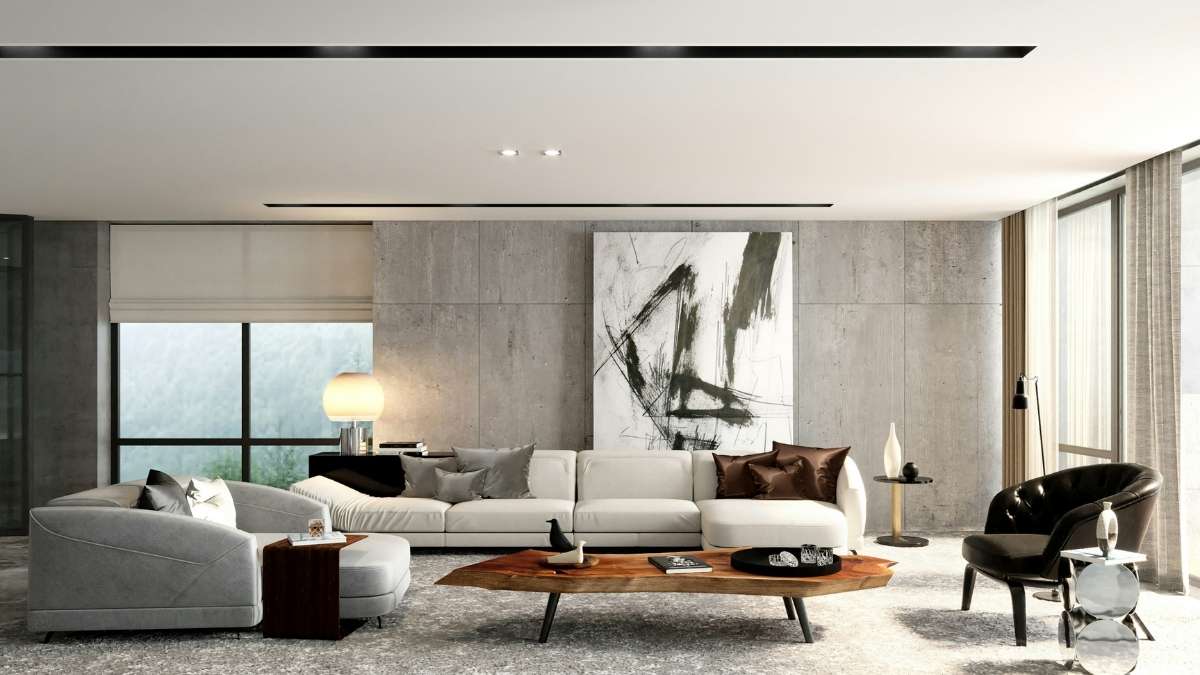
Modern Organic – Think plants, wood, clean lines.
Farmhouse – Cozy, classic, full of comfort.
Scandinavian – Airy and relaxed.
Industrial – Cool metals and hearty wood.
Bohemian – Color, layers, lots of comfort.
Japandi – Calm and low-key, with natural touches.
Keep it special, not busy.
These tables aren’t high-maintenance, just a few basics keep them perfect:
High-end style doesn’t mean loading on accessories.
Making it feel effortless always looks luxurious.
A live-edge coffee table breathes warmth, texture, and authentic style into your home. It’s got staying power—unique, personal, and impossible to ignore.
No matter your style—modern, rustic, Scandi, something totally your own—a live edge fits right in. Even on a tight budget, there’s a way to make it work.
The secret: keep things simple, let the natural wood shine, and really build the space around that one great piece. Suddenly, your living room won’t feel like a showroom anymore—it’ll feel like your home.
It’s a coffee table made from a wood slab that keeps the tree’s raw edge—bumps, curves, and knots all out in the open.
Yes—solid wood live edge tables last for years with a little care.
Walnut, oak, acacia, and teak—each looks fantastic and holds up well.
Definitely, they look great with minimalist, Scandinavian, Japandi, and modern organic interiors.
Oil it occasionally, wipe it down with a soft cloth, avoid water, and use gentle cleaners. That’s about it—it doesn’t get much easier.