Phone:
(701)814-6992
Physical address:
6296 Donnelly Plaza
Ratkeville, Bahamas.

Phone:
(701)814-6992
Physical address:
6296 Donnelly Plaza
Ratkeville, Bahamas.
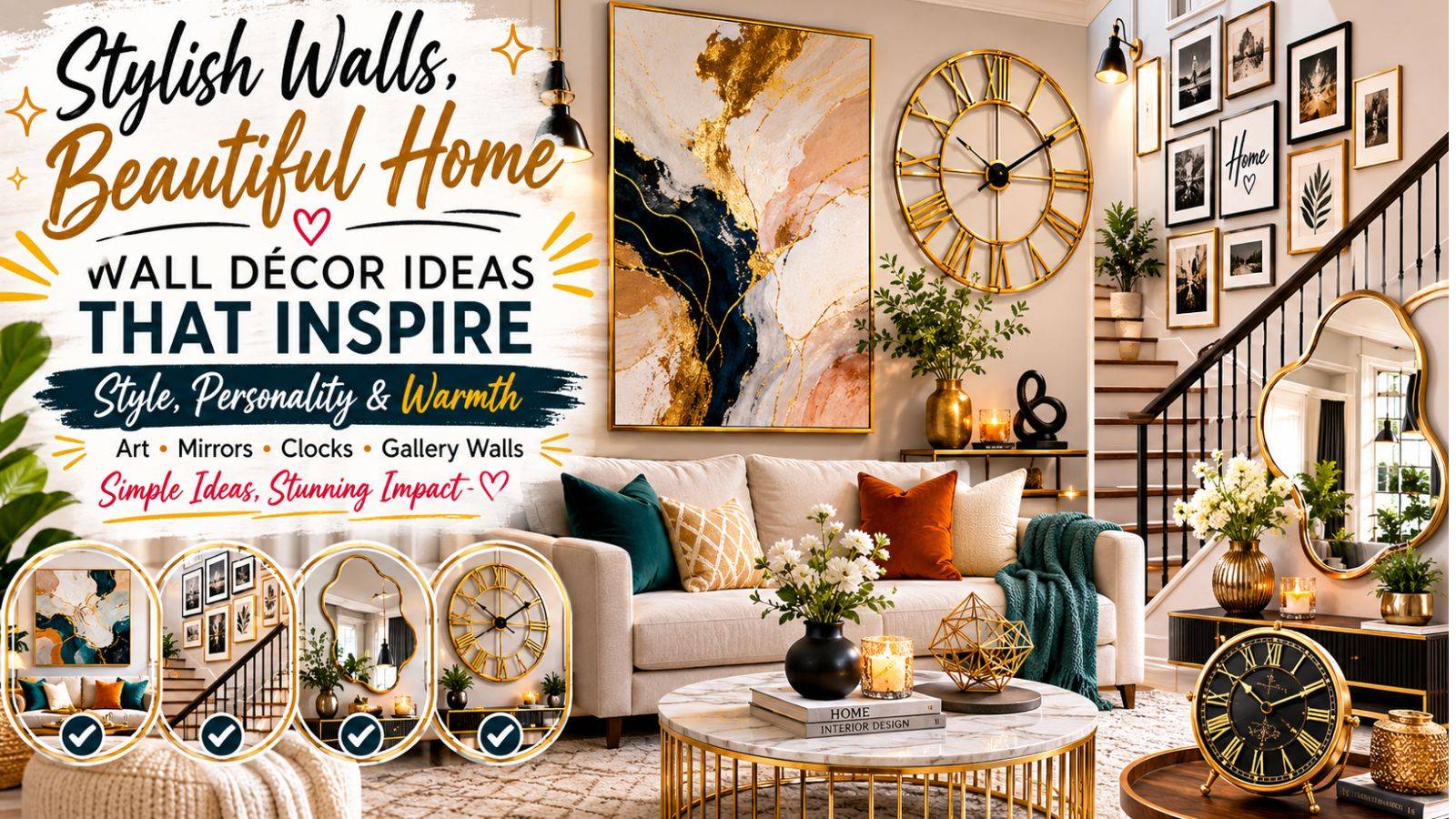
When it comes to modern wall decor, a well-decorated wall can completely change the look and feel of a room. Even when furniture and décor are carefully chosen, empty walls can make a space feel incomplete. In many homes, wall styling is what ties everything together and gives a room its personality. From statement artwork and gallery walls to oversized clocks and unique mirrors, the right wall décor can add character, warmth, and visual interest without requiring a major renovation. Often, a few thoughtful additions are enough to make a room feel more inviting and polished.
Over time, I’ve found that the most successful spaces are not necessarily the most expensive ones. They are the rooms that reflect the people who live in them. Thoughtfully chosen wall décor helps create that connection while adding balance and style to the overall design. In this guide, I’ll share practical wall décor ideas, styling tips, and simple ways to transform blank walls into beautiful focal points throughout your home.
When I first started decorating my home, abstract wall art was something I often overlooked. I was more drawn to artwork that clearly showed landscapes, people, or familiar objects. Over time, however, I began to appreciate how abstract pieces can bring a different kind of character to a room. Unlike traditional artwork, abstract art focuses on colors, shapes, textures, and movement rather than specific subjects. This allows people to interpret it in their own way and connect with it more personally.
One of the things I like most about abstract wall art is its versatility. A bold black-and-white piece can add a modern touch to a living room, while softer tones can create a calm and relaxing atmosphere in a bedroom or reading corner. When selecting abstract artwork, I focus on how it fits the overall style of the room. Instead of looking for a specific meaning, I pay attention to whether the colors, size, and mood of the piece complement the surrounding décor. In many cases, the right artwork helps bring balance to a space and makes it feel more complete.
How I Choose Abstract Pieces
I focus on three things:
If the colors support the room, the piece usually works well. I also prefer oversized art instead of several small frames competing for attention.
Large pieces create breathing room, while too many small ones can make a wall feel busy.
I love using it in:
One oversized canvas above a sofa can completely anchor the room.
Staircase walls are often one of the most challenging areas to decorate. Because of their shape and height, many homeowners leave them empty, missing an opportunity to add personality and visual interest to the space. A well-planned gallery wall can transform an otherwise plain staircase into a warm and welcoming feature. Before hanging any frames, I usually lay everything out on the floor first.
This helps me understand the layout and make changes before drilling into the wall. It’s a simple step, but it saves a lot of time later. If you prefer a clean and modern look, matching frames and a symmetrical layout work well. For a more relaxed and personal style, mixing frame finishes and artwork styles can work beautifully. The key is to maintain some consistency so the display feels intentional. Spacing also matters. I generally leave about 2–3 inches between frames to keep the arrangement visually connected. Good lighting can also make the gallery wall feel completer and more integrated with the space.
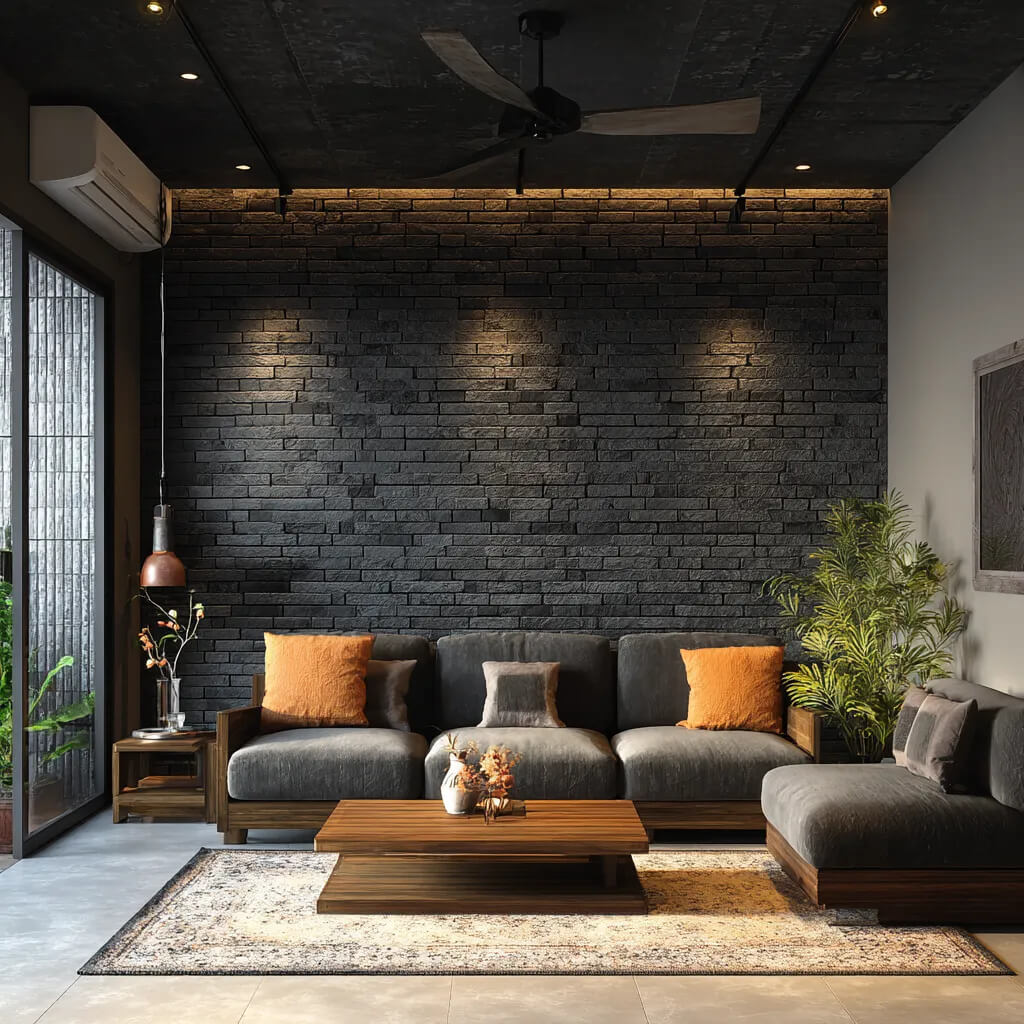
My Favorite Layout Styles
Symmetrical Layout:
This works best in modern homes. I use matching frames and even spacing for a clean look.
Mixed Frame Gallery:
This feels more relaxed. I combine black, wood, and metallic frames while keeping a consistent color tone.
Family Photo Staircase:
This makes the space feel personal without looking cluttered.
Lighting also plays an important role in making the gallery wall stand out.
I rent often, so I’ve learned how to decorate without damaging walls. The good news is that modern hanging solutions work very well.
Great for lightweight frames. Always clean the wall before applying.
Perfect for changing artwork easily without damaging walls.
Large frames leaning on shelves or consoles look relaxed and stylish.
The center of artwork usually looks best around eye level.
Oversized clocks work like functional artwork. They fill empty walls quickly and add personality without extra décor.
I especially like using them in dining rooms and kitchens where blank walls feel empty. A large clock instantly becomes a focal point.
I usually keep surrounding décor simple so the clock stands out.
Standard mirrors are safe, but irregular mirrors feel more modern and interesting. They add movement to a wall without needing bold colors. These mirrors work especially well in spaces with straight lines like kitchens, hallways, and living rooms.
Entryways:
They make small spaces feel larger and brighter.
Above Consoles:
I pair curved mirrors with simple furniture for a clean look.
Dining Areas:
They reflect light beautifully near windows or pendant lights.
Gold clocks can look elegant or overwhelming depending on styling. The key is balance. I prefer softer brushed or antique gold finishes instead of shiny ones because they feel more natural in modern interiors.
What I Pair with Gold Clocks
Gold works best when used subtly across the room.
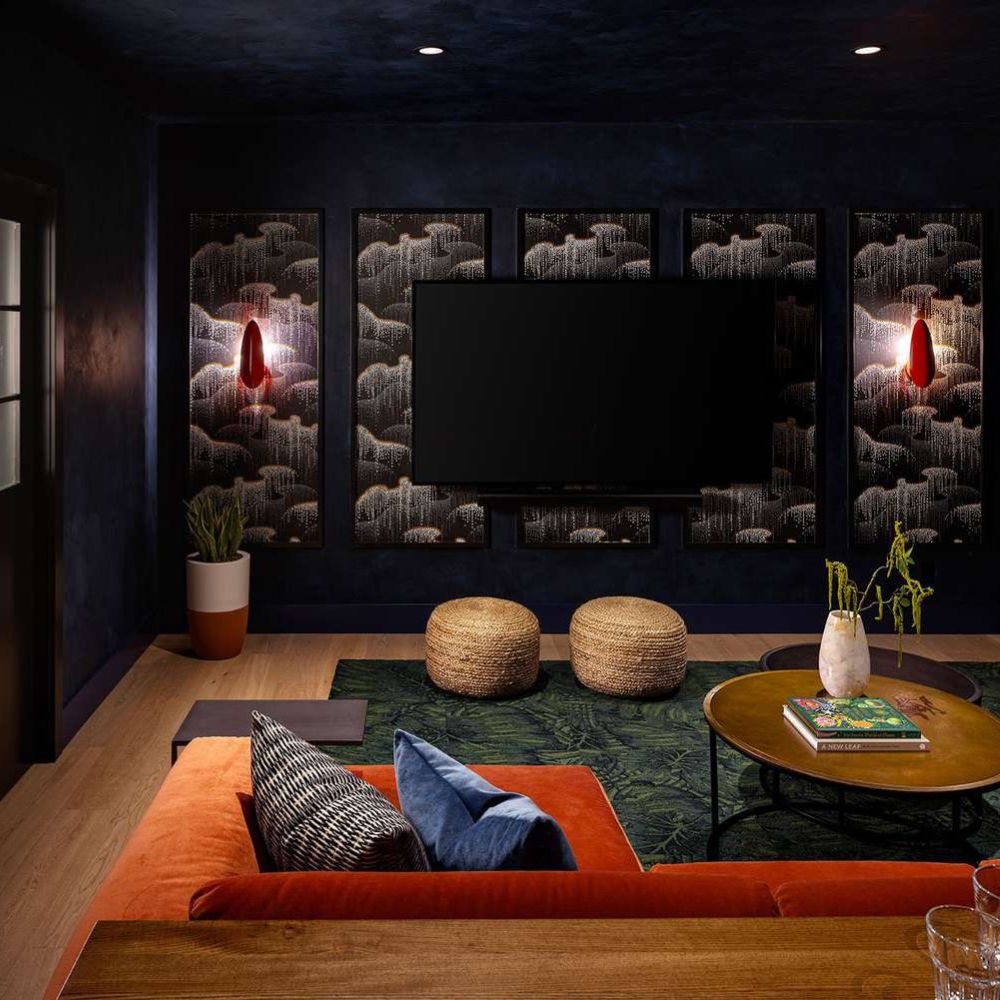
Where They Work Best
Dining Rooms:
They look great against neutral or dark walls.
Home Offices:
They add warmth without feeling too formal.
Living Rooms:
Above a fireplace, they create an elegant focal point.
At the end of the day, wall décor is not just about filling empty space. It’s about how a room feels when you walk into it. Some people prefer bold statement pieces, while others like minimal styling. There are no strict rules. What matters most is whether the space feels comfortable and reflects your personality.
Over time, I’ve realized that the best-designed rooms are not always perfect—they are the ones that feel lived in and personal. A simple artwork, a mirror, or a well-placed clock can quietly change the mood of a space. If a room feels good to spend time in, then the design has already done its job.
Q1. What type of wall décor works best in a modern home?
Answer: Modern homes typically look best with clean-lined artwork, oversized mirrors, minimalist gallery walls, and statement clocks.
Q2. How high should wall art be hung?
Answer: A common guideline is to hang artwork so that its center sits around 57–60 inches from the floor.
Q3. Are oversized wall clocks still in style?
Answer: Yes, they remain popular because they combine function and decoration.
Q4. How can I hang wall art without damaging walls?
Answer: Adhesive strips, picture rails, and leaning frames are good alternatives.
Q5. What is the ideal spacing for a gallery wall?
Answer: Around 2–3 inches between frames works best.
Q6. Where should irregular mirrors be placed?
Answer: Entryways, dining areas, and living rooms are ideal.
Q7. How do I choose the right size wall art?
Answer: Artwork should cover about 60–75% of the wall space above furniture.
Q8. Can gold wall clocks work in modern interiors?
Answer: Yes, brushed or antique gold works well with modern décor.