Phone:
(701)814-6992
Physical address:
6296 Donnelly Plaza
Ratkeville, Bahamas.

Phone:
(701)814-6992
Physical address:
6296 Donnelly Plaza
Ratkeville, Bahamas.
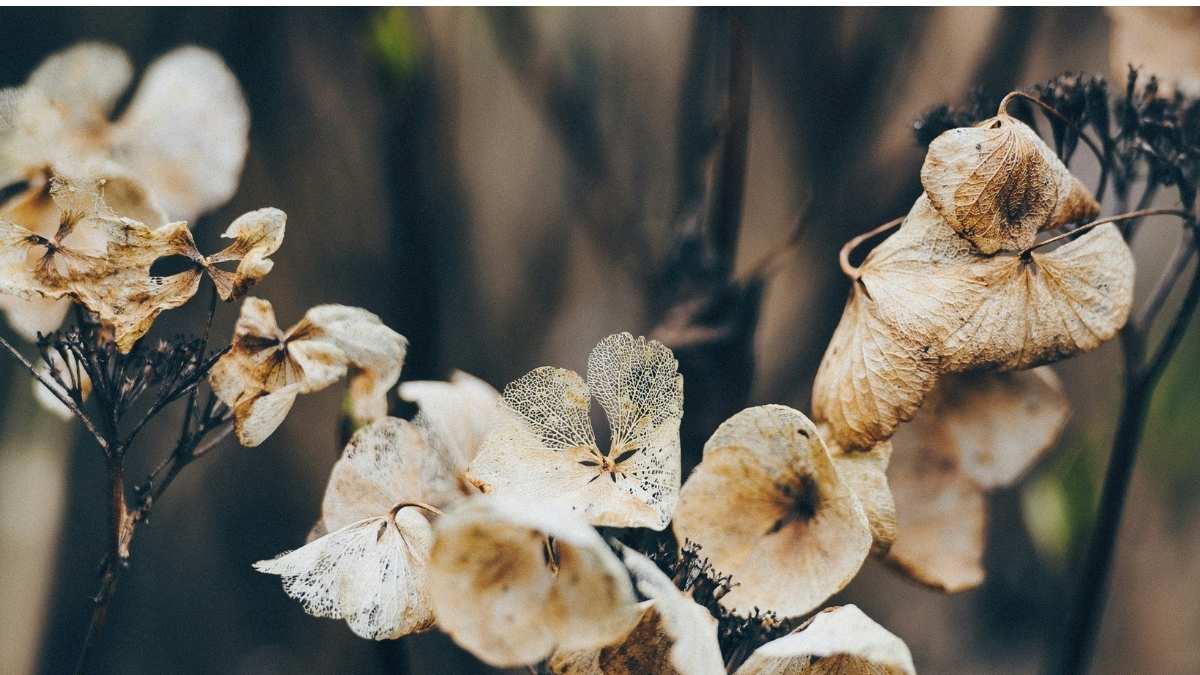
Have you ever walked past a beautiful wreath and thought, “I want to make that”? Chances are, the best dried flowers for wreath making played a starring role in it.
DIY wreaths are having a huge moment right now. They’re showing up everywhere — on Pinterest boards, in cozy home tours, and on front doors across the world. And the secret behind many of the most stunning ones? Dried flowers
Dried flowers bring a warm, earthy, and timeless beauty to any space. They don’t wilt. They don’t need water. And they hold their charm for months, sometimes years. That makes them the perfect choice for wreath making.
Whether you’re a total beginner or a home decor lover looking for a new project, this guide is for you. You’ll discover theBest Dried Flowers for Wreath Making, how to choose them, and how to keep your wreath looking gorgeous for a long time.
Before we get to the flower list, let’s talk about why dried flowers are such a great choice.
They last a long time. Fresh flowers are beautiful, but they fade fast. Dried flowers can last for one to three years with basic care. That means your wreath stays beautiful season after season.
They’re eco-friendly. Dried flowers are a natural, sustainable option. Many of them can be grown at home or sourced locally. You’re creating something lovely without much environmental impact.
They’re budget-friendly. You don’t need to spend a lot. Many dried flowers are affordable, and a little goes a long way in a wreath.
They have a rustic, natural look. There’s something about dried flowers that feels warm and handmade. They add texture, depth, and character to any wreath design.
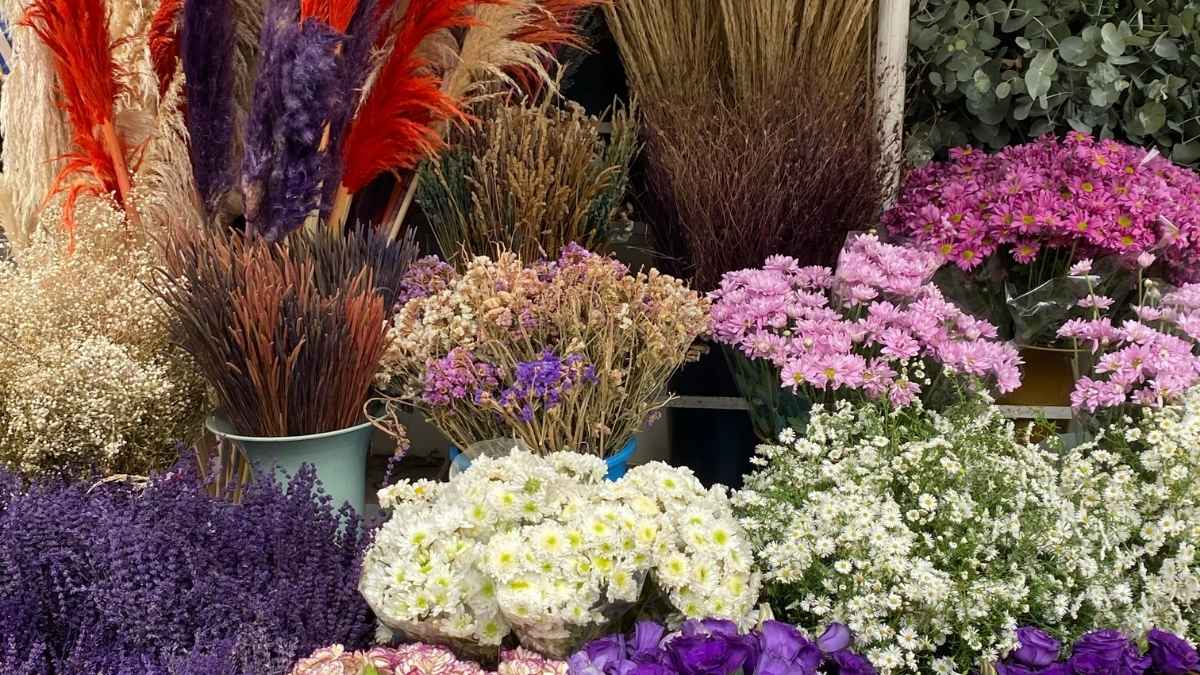
Now here’s the good part. These are the top flowers to use, each with its own unique charm.
Lavender is a classic for a reason. It has slender purple spikes and a soft, dusty texture that looks beautiful when bundled together.
Color & Texture: Soft purple, light and airy.
Why it works: Lavender adds color and a gentle fragrance that lasts even when dried. It fills in gaps between larger flowers perfectly.
Best for: Cottage-style, farmhouse, and spring wreaths.
Tip: Hang lavender bundles upside down to dry before using. Avoid touching the blooms too much — they can crumble if handled roughly.
Don’t overlook baby’s breath. It’s small, delicate, and creates a dreamy, cloud-like effect in any wreath.
Color & Texture: White or pale pink, very fine and feathery.
Why it works: It fills empty spaces and softens the overall look. It gives wreaths a romantic, bridal feel.
Best for: Wedding wreaths, Valentine’s Day, and delicate floral styles.
Tip: Baby’s breath dries naturally on the stem. Just let it air-dry and use it as is.
Eucalyptus is one of the most popular choices in modern wreath making. Its silver-green leaves are instantly recognizable and incredibly versatile.
Color & Texture: Dusty green-grey, smooth and elegant.
Why it works: It forms a beautiful base or filler for wreaths. The subtle color complements almost every flower.
Best for: Boho, minimalist, and year-round wreaths.
Tip: Dried eucalyptus holds its scent for weeks. Keep it away from humidity to prevent mold.
Statice (also called sea lavender) is a tiny, papery flower that comes in many colors. It’s one of the most affordable and long-lasting dried flowers out there.
Color & Texture: Purple, white, pink, or yellow. Papery and clustered.
Why it works: Statice adds vibrant color without overpowering the wreath. It keeps its color beautifully after drying.
Best for: Colorful wreaths, summer, and Mediterranean styles.
Tip: No special prep needed. Statice air-dries quickly and holds its color for a very long tim
Strawflowers are bold, bright, and almost look artificial — in the best way. They come in rich shades that stay vivid after drying.
Color & Texture: Deep red, orange, yellow, or pink. Stiff and papery petals.
Why it works: Strawflowers are the focal point of any arrangement. One or two can completely transform a wreath.
Best for: Autumn wreaths, bohemian styles, and bold color palettes.
Tip: Pick strawflowers just before they fully open. They’ll finish blooming as they dry, looking perfect.
Dried hydrangeas bring a lush, full look to wreaths. Their large flower heads fill space beautifully.
Color & Texture: Dusty blue, lavender, blush, or antique green. Soft and papery when dried.
Why it works: Just a few hydrangea clusters can make a wreath look full and layered. They’re stunning as a main feature.
Best for: Vintage, romantic, and autumn wreaths.
Tip: Let hydrangeas dry slowly in a vase with a little water. This method preserves their shape better than air-drying.
Pampas grass is dramatic, feathery, and very trendy right now. It adds movement and texture that no other flower can match.
Color & Texture: Creamy white or blush, soft and fluffy plumes.
Why it works: Pampas grass creates height and flow in a wreath. Even a small amount has a big visual impact.
Best for: Boho, modern farmhouse, and statement wreaths.
Tip: Give pampas grass a light spray of hairspray to keep it from shedding. Handle gently.
Cotton stems are pure, simple, and absolutely charming. They bring a soft, cozy feel to any wreath.
Color & Texture: Bright white, round, and fluffy cotton bolls.
Why it works: Cotton stems look stunning in winter and Christmas wreaths. They also work beautifully in neutral, natural arrangements.
Best for: Winter, holiday, and farmhouse-style wreaths.
Tip: Cotton stems are very sturdy and easy to work with. Just wire them into your base, and they’ll hold well.
Bunny tails are exactly what they sound like — tiny, round, fluffy grass heads. They’re incredibly cute and surprisingly versatile.
Color & Texture: Bunny tails have a pale ivory or soft beige color, and they’re small and really soft to the touch.
Why it works: They bring a playful, almost whimsical texture to a wreath, but they don’t fight for attention with the other flowers.
Best for: Spring wreaths, Easter themes, and anything with a cottagecore vibe.
Tip: Bunny tails are super fragile. Either wire them gently or glue them right onto your wreath so they stay put.
Globe amaranth is round, full of color, and lasts much longer than most dried flowers. Honestly, it barely changes at all after drying.
Color & Texture: You’ll find them in magenta, pink, purple, or white. They have small, clover-like heads.
Why it works: These little flowers hold up better than pretty much anything—it’s tough, dependable, and easy to use.
Best for: Wreaths for any season, tropical looks, or anything bright and bold.
Tip: Dry these upside down in a warm, dark room. Give them around two weeks, and they’re good to go.
With all the choices out there, picking dried flowers can feel like a lot. Let’s make it simple:
Start with color. Pick a couple of main colors—two or three is enough for a look that feels pulled together. Neutrals like eucalyptus or bunny tails work with almost any palette.
Think about wreath size. Small wreaths look best with delicate blooms like baby’s breath or globe amaranth. Big wreaths need bolder flowers—think hydrangea or pampas grass.
Indoor or outdoor? Most dried flowers last much longer inside. Outside, they’ll fade or fall apart in rain, wind, and sun.
Match the mood or season. Pinecones and cotton stems are wintery. Lavender and bunny tails feel like spring. Strawflowers and hydrangeas fit right in for autumn.

You don’t have to be a pro to make a gorgeous wreath. Pay attention to these basics, and you’ll see a big difference:
Start with a sturdy base. Grape vine wreaths have a natural look and make it easy to tuck in stems or secure flowers.
Layer your flowers. Go from greenery first, then add your medium-sized flowers, and end with the small accents. Layering adds depth.
Mix colors and textures. Fluffy blooms look great next to structured ones. Pair lighter, airy flowers with deeper colors for a nice contrast.
Keep delicate stems safe. Don’t just stick them in and hope for the best. Use floral wire or a dab of glue so they stay put.
Check your work as you go. Back up and look at your wreath every so often—it’s easy to get tunnel vision when you’re up close.

Want your wreath to last for years? Here’s what helps:
Keep it away from moisture. Humidity makes dried flowers wilt or mold. Bathrooms and kitchens aren’t ideal—hang wreaths somewhere dry instead.
Keep it out of direct sunlight. Sun fades colors. A bright room is fine, but don’t hang your wreath where sun beats down all day.
Dust gently. Use a soft brush or your hairdryer on cool and low—don’t wipe with a cloth or you’ll break delicate petals.
Tuck it away right when not in use. If you switch out wreaths for the seasons, store them in a box with tissue paper. Keep that box in a dry, cool spot.
Statice, globe amaranth, and eucalyptus. They’re sturdy, affordable, and easy to handle.
With just a bit of care, most last anywhere from one to three years, especially if you keep them out of sun and away from moisture.
Check craft stores, farmer’s markets, Etsy, or try drying your own from the garden.
Absolutely. Combining both gives you structure, color, and a more natural, interesting look.
A hot glue gun is the favorite. It’s strong, quick, and dries clear—just go easy on delicate petals because the heat can damage them.
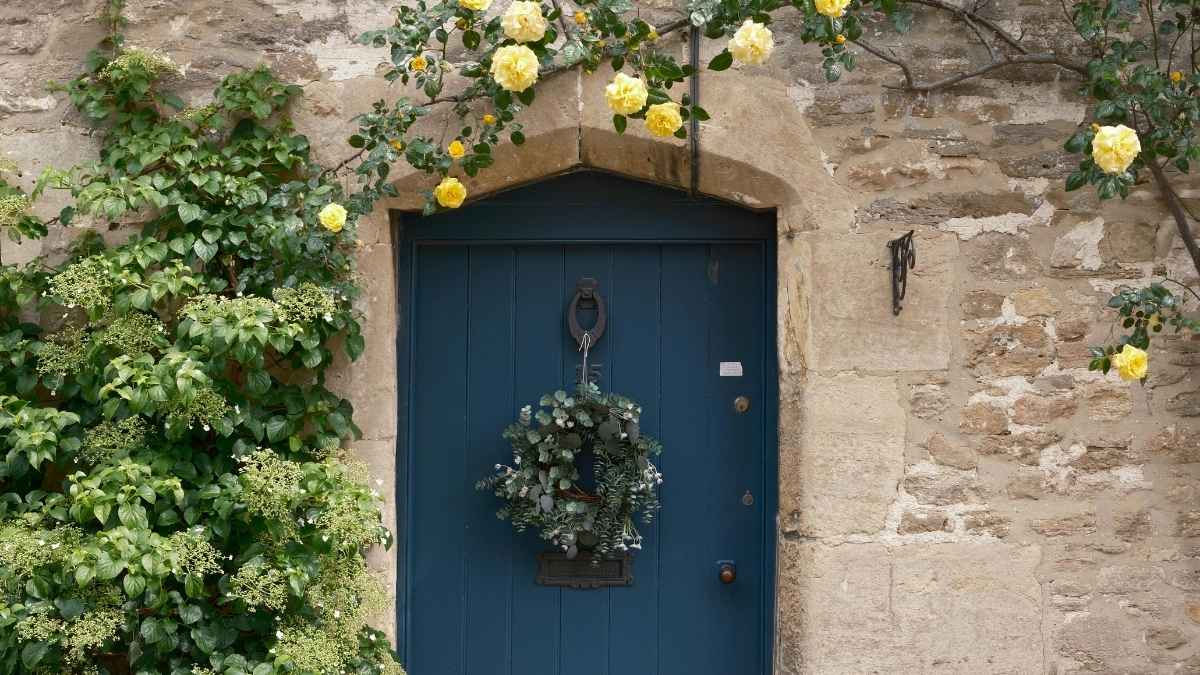
There’s something so satisfying about making your own dried flower wreath. It’s calming, creative, and you end up with a piece you’ll want to hang up—or maybe gift to someone special.
Now you know which flowers work best, and a handful of simple tricks to get you started. Grab your favorites, snag a base, and just start playing around.
Forget about rules. Let the colors, shapes, and textures lead the way. If your first wreath isn’t perfect—so what? You’ll learn with every wreath you make, Enjoy it. Make something beautiful.