Phone:
(701)814-6992
Physical address:
6296 Donnelly Plaza
Ratkeville, Bahamas.

Phone:
(701)814-6992
Physical address:
6296 Donnelly Plaza
Ratkeville, Bahamas.
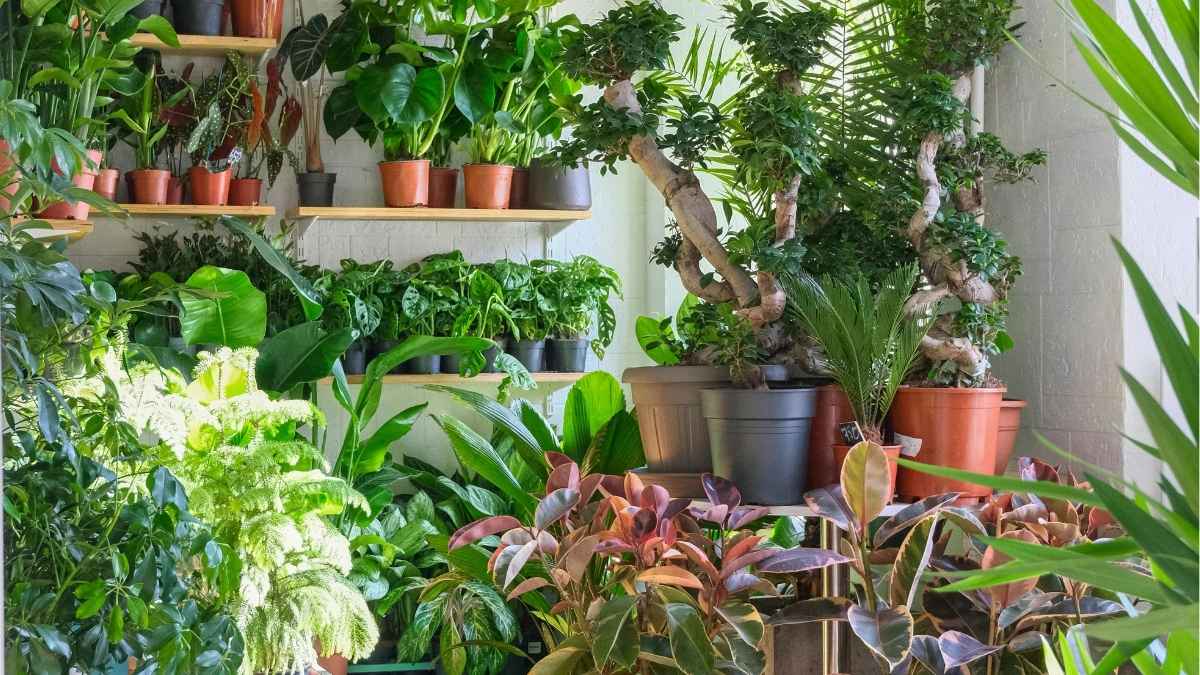
Ever brought home a pretty plant, only to watch its leaves go yellow or crispy a few weeks later? Happens to almost everyone, especially at first. Water too much—oops, root rot. Water too little—shriveling leaves. Not every window works the way you hope. But the truth is, keeping your indoor plants happy takes less guesswork than you think. Indoor Plant Care Made Simple if you follow a few easy routines and pick the right plants for your space.
Healthy houseplants do more than just look good. They bring light and tranquility into a space while quietly purifying the air. Moms and designers have said it for years—plants just make a home feel like home. And you really don’t need any fancy gear or a botany degree to pull it off. With a handful of good habits and a little attention every week, your plants can thrive. Even total beginners can end up with lush, leaf-filled corners. This guide has got you covered—from watering basics and choosing where to put your plants, to picking the easiest starters.
It’s not just about decoration. A green, leafy corner calms you down. A couple of potted friends on your shelf can actually make you feel happier and less stressed. Here’s what else you get:
– Cleaner, less dusty air (plants filter some toxins and up the humidity)
– Relaxed, cozy vibe
– More focus, whether you’re working or reading
– Beautiful, natural design touches without trying too hard
Even in a studio apartment, a few plants can totally change the mood. A lot of folks notice they just feel better with some green around.
You don’t have to hover over your plants all the time. Actually, most prefer if you don’t. They need a steady routine: the right amount of light, water, good soil, and a pot that drains.
Most beginner-friendly plants like bright, but indirect, sunlight. Direct hot sun (especially west or south windows) can scorch leaves. Some plants can handle gloomier corners, but most do better with some daylight.
Skip the calendar routine—don’t just water every Monday. Stick a finger in the dirt. If the top inch feels dry, your plant probably needs a drink. If it’s still damp, wait. Water slowly until you see a few drops in the saucer. That’s enough.
Always make sure there’s a hole at the bottom of your pot. No joke, skipping this step is how so many new plants die. Plant roots hate standing water.
If you like tropical plants, they’ll want more humidity. Kitchen and bathroom windows work great for these, or just group several plants together.
Cheaper, heavy bags of dirt usually make roots sad. Go for a lightweight indoor potting mix—the kind labeled for houseplants.
Don’t jam all your plants into one dark corner. A little fresh air helps keep leaves dry and fungus away. Crack a window when you can.
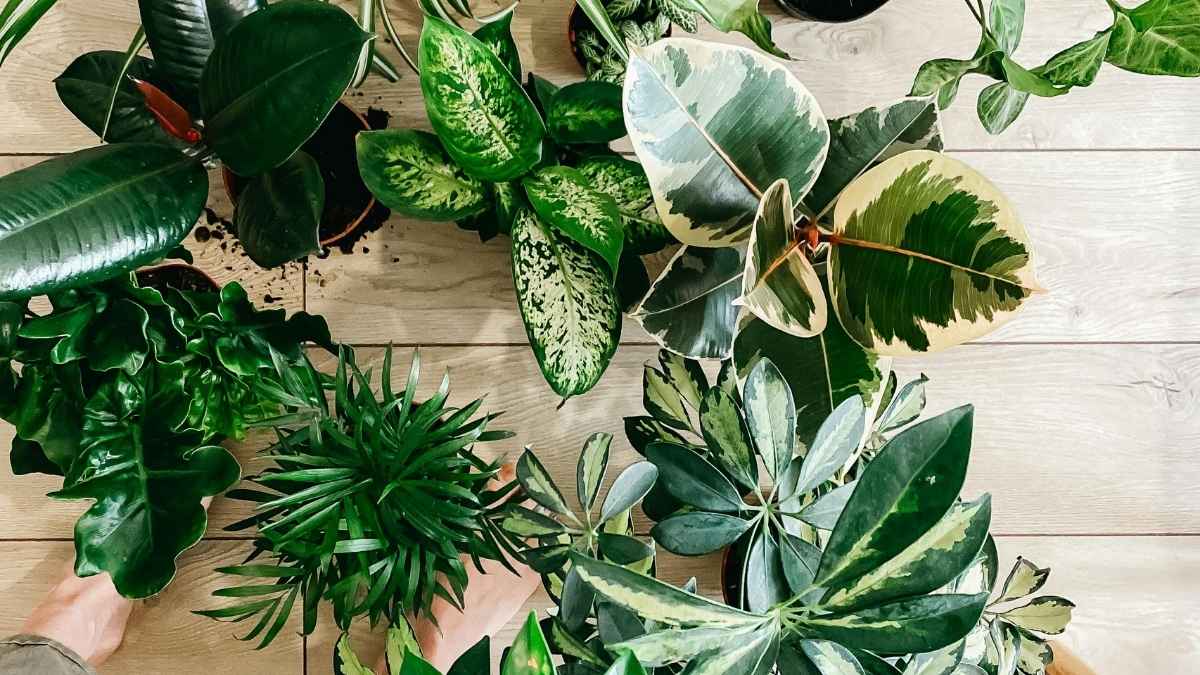
Not all plants are drama queens. There are plenty that actually prefer a little neglect. Here’s a quick cheat sheet:
Just about impossible to kill. Can go weeks between waterings. Let the dirt dry out first.
Fast-growing, great for shelves or hanging pots. Trim the vines if they get too wild.
Forgiveness of mistakes. Brown tips? Try filtered water.
Barely needs attention. Water even less than you think.
Big, tropical leaves. Turns any room into a designer’s paradise. Give it good light and rotate the pot now and then.
Does best in a sunny window and dry soil. Useful, too, if you get a burn or scrape.
Shiny leaves—wipe off dust now and then. Needs decent light, not too much water.
Not picky, just avoid soggy soil.
Great if you’re forgetful. Need sun and very little water.
More easy choices: Peace lily for flowers, English Ivy for hanging baskets, Chinese Evergreen for low light, Boston Fern if you like dramatic, fluffy greenery.
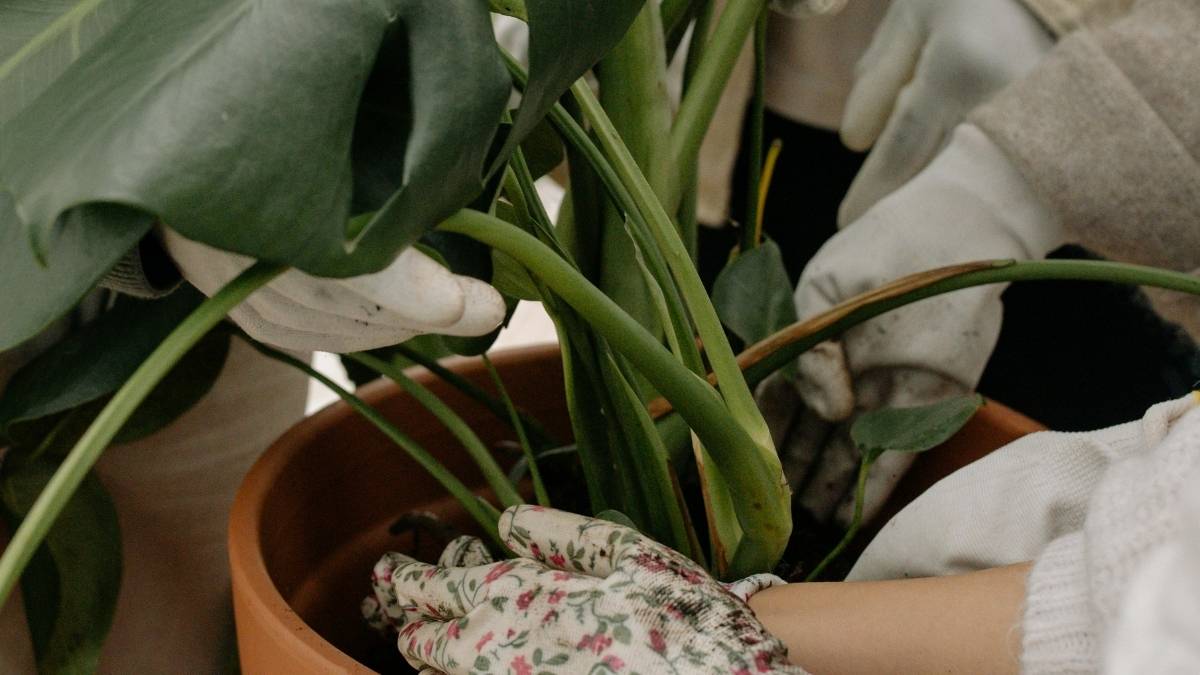
Watering is what trips up most beginners. Signs you’ve gone too far: yellow leaves, mushy stems, or a gross, mushroomy smell. Not enough water? Think droopy or dry, crunchy leaves. Always feel the soil with your finger before watering. Don’t stick to a strict schedule—season and sunlight matter.
— In winter, plants usually need less water.
— Hotter days? Check more often.
— Always pour off any extra water caught in the saucer.
If a plant seems sad and spindly, the lighting is probably off. Most houseplants want filtered light (not direct sun). Snake plants and ZZ plants actually tolerate dark corners, though they’ll grow more slowly. Living in a place with weak sunlight? LED grow lights work better than ever these days.
Window tips:
– South = strongest sun; east = gentle morning rays.
– North windows are dimmer.
Sunburn on leaves means too much direct sunlight. Weak, stretched-out growth means your plant’s craving more.
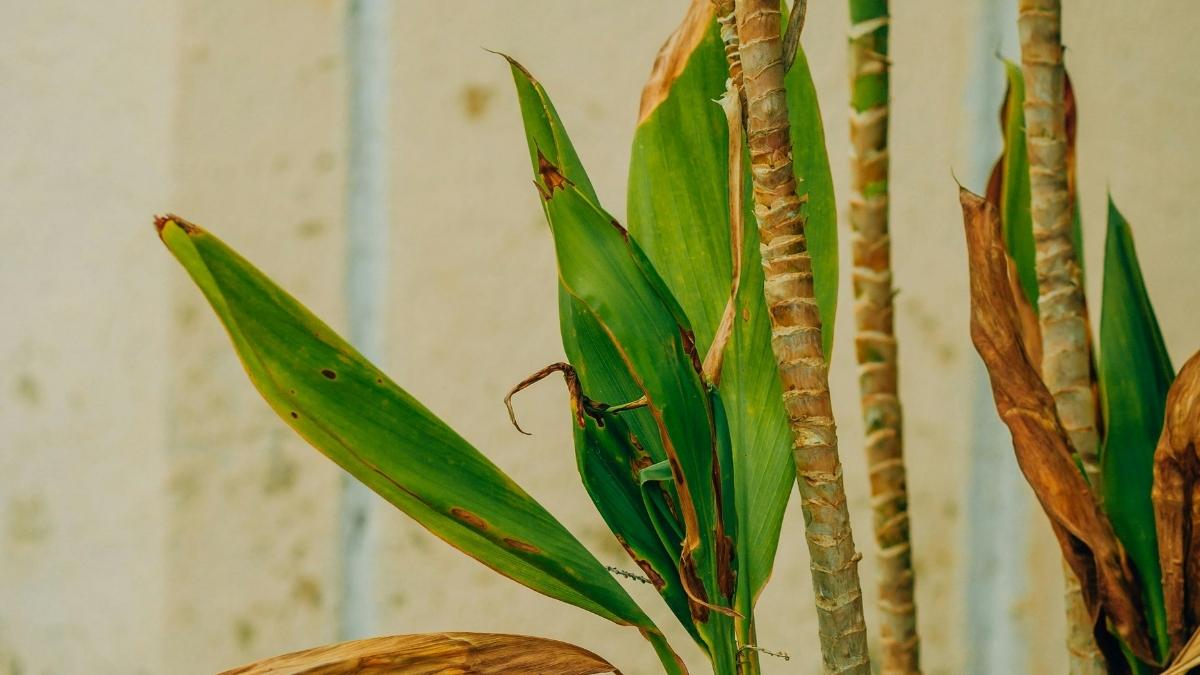
Yellow or brown leaves, root rot, droopy stems—don’t panic. Take a look:
– Yellow leaves: usually too much water.
– Brown edges: low humidity.
– Mushy roots: rot—repot in fresh soil.
– Tiny flies: you’re watering too much.
– Droopy: might be thirsty or stressed.
See pests like spider mites or mealybugs? Wipe affected leaves with a soapy, damp cloth. Don’t just blast them with harsh chemicals.
– Irrigating on a fixed schedule rather than assessing soil moisture levels.
– Pots with no drainage holes.
– Ignoring humidity for tropical plants.
– Letting plants sit in gloom.
– Still using that heavy, compacted soil.
– Repotting every time you buy a pretty pot—plants like stability.
Less fuss, more trust—your plants mostly want consistency.
You really don’t need to drop cash on fancy gadgets. Cheap hacks work wonders:
– Pebble trays boost humidity for cheap.
– Old jars = great for propagating cuttings.
– Collect rainwater for a free supply.
– Try a banana peel in your watering can for a fertilizer boost (but don’t overdo it).
– Swap stem cuttings with plant-loving friends and grow your collection for free.
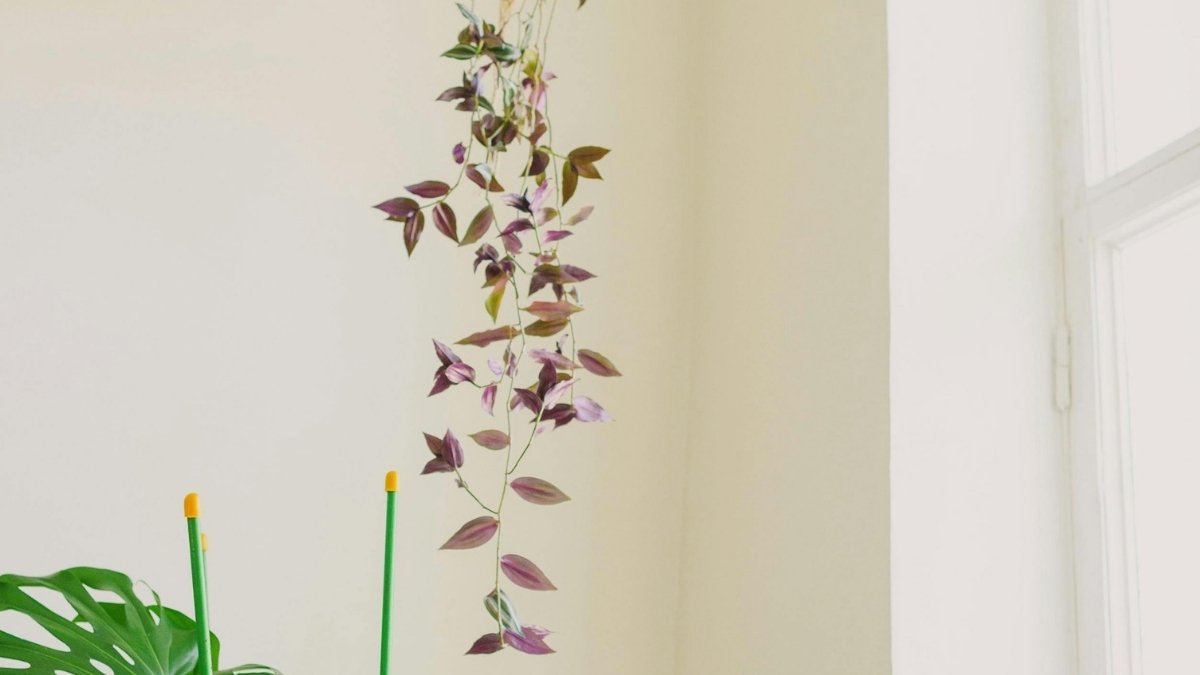
Styling with plants is half the fun. A few ideas:
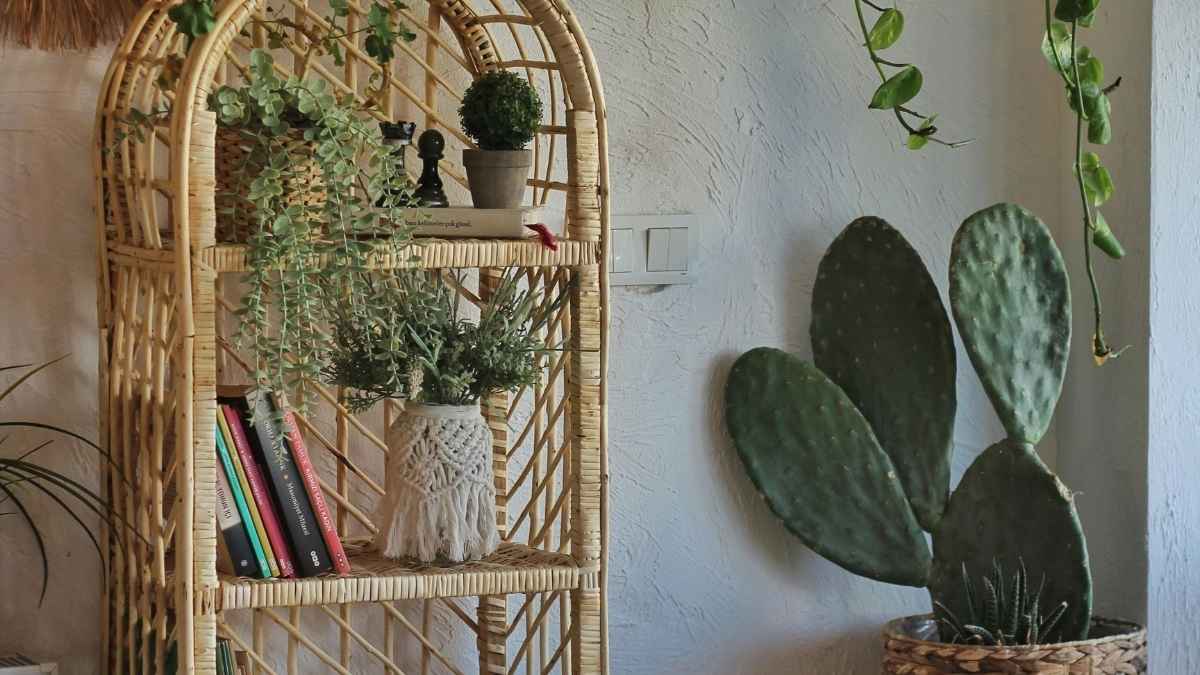
– Place different sizes on open shelves.
– Hang trailing plants in macramé hangers or on hooks—perfect for small spaces.
– Pop a tall one like a rubber plant or bamboo palm in a lonely corner.
– Bathrooms are perfect for humidity-loving ferns.
– Snake plants fit nicely in bedrooms, and they’re rumored to boost air quality.
For a calm look, stick with neutral pots and repeat greenery throughout your space. Just don’t cram every plant together. Give them a little breathing room.
Plants follow the seasons, so adjust a bit:
– Winter: Pull back on water; use a humidifier if it gets really dry.
– Summer: Watch out for scorching sun and faster-drying soil.
– Spring: Repot if you need to—growth takes off now.
– Fertilize mostly during warmer months, and skip it in winter.
Designers like to layer plants—different heights and leaf shapes in the same room look natural and elevated. Hide plastic pots in woven baskets. Avoid lining every window or table with greenery; a bigger impact comes from the “less but better” approach.
Usually about once a week, but always check first by touching the soil.
Snake plant, pothos, spider plant, and ZZ plant.
Probably too much water, or your pot isn’t draining.
Yes, nearly all do—even ones labeled “low light.” Artificial lights can help if your space is dark.
Go with a lightweight, well-draining potting mix for houseplants.