Phone:
(701)814-6992
Physical address:
6296 Donnelly Plaza
Ratkeville, Bahamas.

Phone:
(701)814-6992
Physical address:
6296 Donnelly Plaza
Ratkeville, Bahamas.
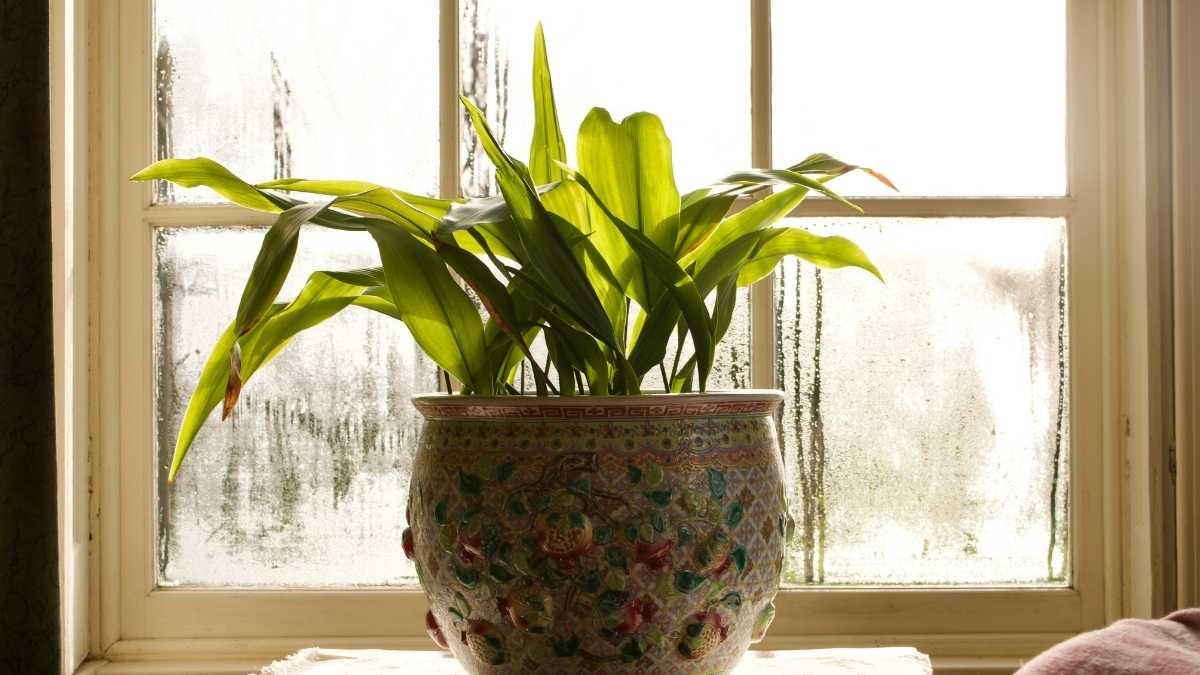
Winter is rough if you’re a houseplant. Days shrink, the air dries out, and your heater quietly pulls every last drop of moisture from the room. That’s exactly why caring for indoor plants in winter matters so much before the cold really sets in.
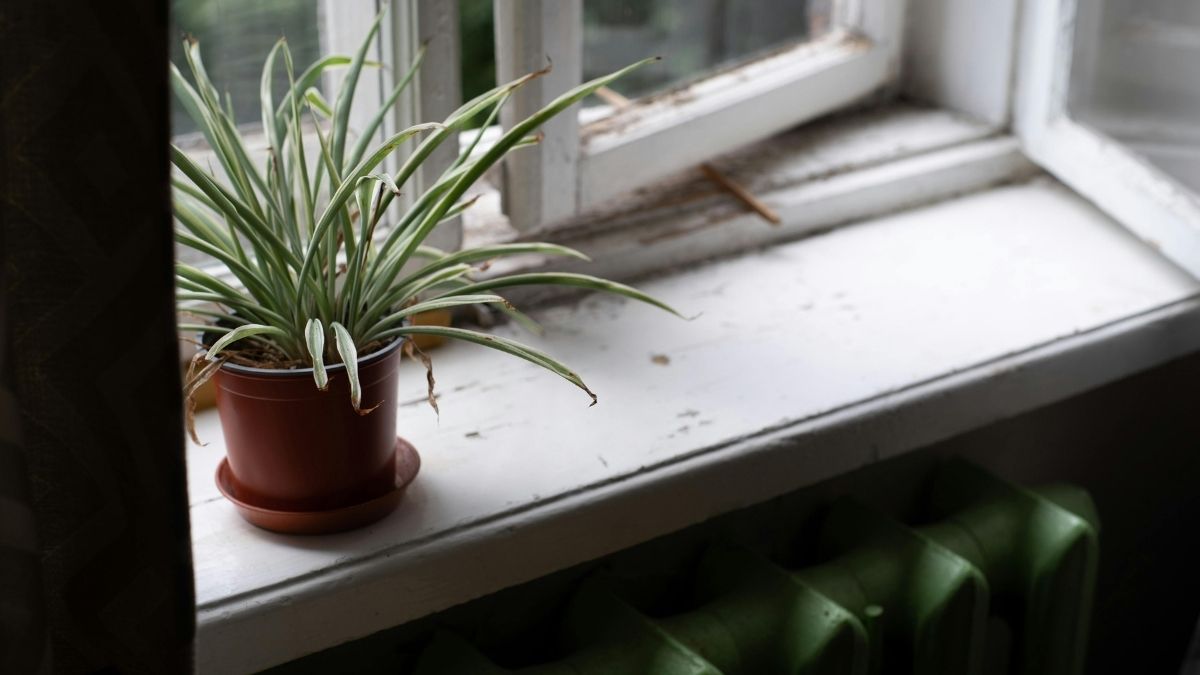
If you’ve ever watched a gorgeous plant suddenly turn yellow and limp by mid-January, you know the heartbreak. It’s discouraging, especially after you put in so much work.
But here’s the good news: you can totally prevent it. Prepping your indoor plants for winter isn’t rocket science. You just need to tweak your care routine a bit and pay attention to what’s changing.
This guide breaks it all down. We’ll help you spot early warning signs and show you exactly how to keep your indoor jungle thriving all season.
Winter doesn’t have to be a plant graveyard. With a few quick adjustments, your green buddies will make it through just fine—maybe even looking better than ever when spring rolls around.
Plants don’t talk, but they definitely send signals. Here are the main signs your houseplants want something to change:
You’ll see this a lot in winter. It usually means you’re overwatering or they’re not getting enough light—or both.
Could be they’re too thirsty, cold drafts are hitting them, or they’re stressed by the temperature. Check their spot and feel the soil.
This one’s normal. Most plants hunker down and rest in winter. Don’t panic—just give them some time.
House heat dries out pots way faster than you’d expect. Check soil moisture more often, even if it feels obsessive.
Classic sign the air is too dry. Low humidity sneaks up on you and can really mess with your plants.
This is where it all happens. Do these basic steps and your plants should be in great shape by the time the frost is gone.
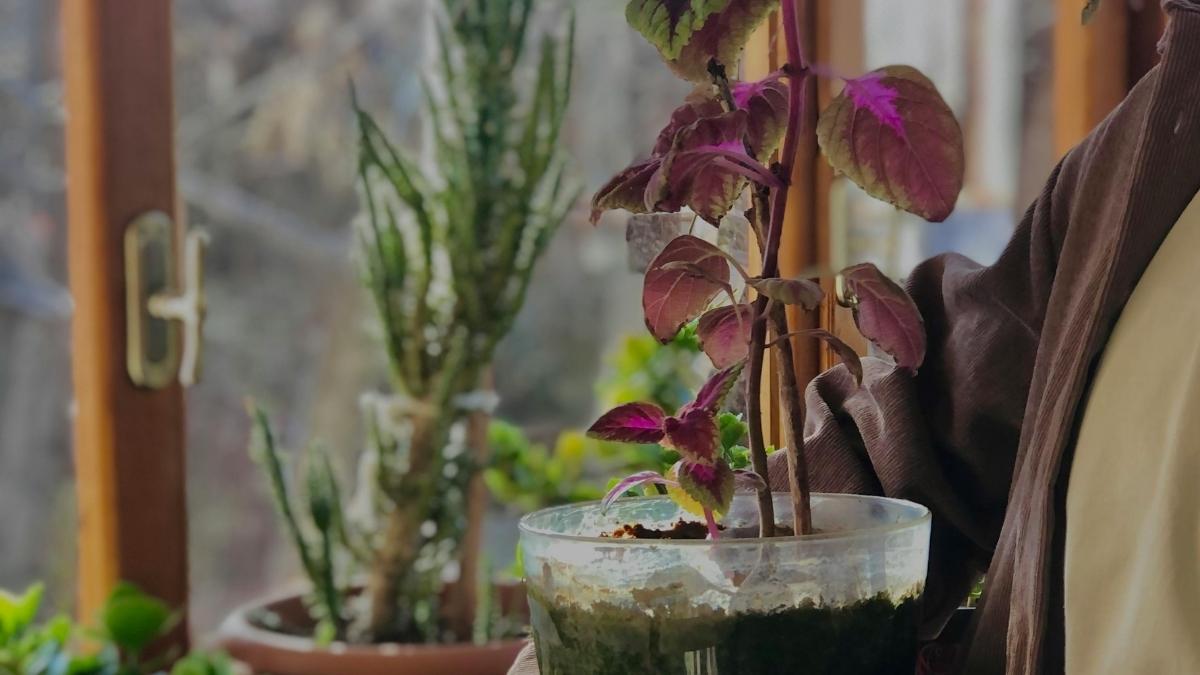
Glass gets icy in winter, and cold air right by a window stresses plants out fast. Just give them a little distance—a foot or two is enough.
Most houseplants are happiest between 60°F and 75°F. Dip below 50°F and you’re asking for trouble. A cheap thermometer nearby helps a ton.
Central heating strips moisture from the air like nothing else. Your plants notice. There’s more about humidity tricks below.
Growth slows down in winter, so your plants just don’t need as much. Overwatering now is the fastest way to hurt them.
Most plants are basically napping during winter. Fertilizer just stresses them out. Wait for spring before feeding again.
Dust collects fast in winter and blocks the little sunlight your plants get. Wipe them down gently every few weeks.
The sun comes in at weird angles during winter. Turn your pots a quarter turn each week for nice, even growth.
Great winter plant care doesn’t mean you need to fuss every day. It’s about small things that you do consistently.
Start every week by giving your plants a look-over. Check their leaves, peek at the soil, and notice if any are droopy or different. It takes just a couple of minutes, but you’ll catch problems early.
If you spot a leaf that looks off, act sooner rather than later. Early fixes are always easier than emergency rescues.
Try to make this a ritual. Sunday morning is a great time—coffee in hand, just checking up on your plants. It’ll settle into a routine before you know it.
Keep some kind of watering log. Winter schedules get messy, and your memory is never as good as you think. A quick note on your phone works wonders for not overwatering.
Sunlight gets tricky in winter. There’s less of it, and the sun’s lower—plus, cloudy days seem to go on forever.
Most houseplants want at least six hours of indirect light a day. That’s a lot harder to get in winter, but bright, south-facing windows are your best weapon.
Slide your light-loving plants close to the brightest windows—but don’t let them actually touch the cold glass. Just a few inches make all the difference.
If you live somewhere dark or cloudy, try a grow light. They’re easy to use and help plants that are struggling. Even a couple of extra hours of light can really perk them up.
Honestly, watering right is the biggest difference-maker in winter. The golden rule: water less, but water deeply. When you do water, give enough so it runs out the bottom of the pot, then let the top inch or so of soil dry out fully before watering again.
Watch out for overwatering. Cold, damp soil is perfect for root rot, and plants go downhill fast if their roots stay soggy. If you’re on the fence, give it another day before watering again.
All plants are different. A cactus sometimes only wants water once a month, while a peace lily could still be thirsty every week. Trust the soil, not your calendar.
And always use room-temperature water. Cold water can shock roots when the soil’s already chilly.
Dry air and houseplants do not get along. Heated homes leave your air super dry, and plants feel it right away.
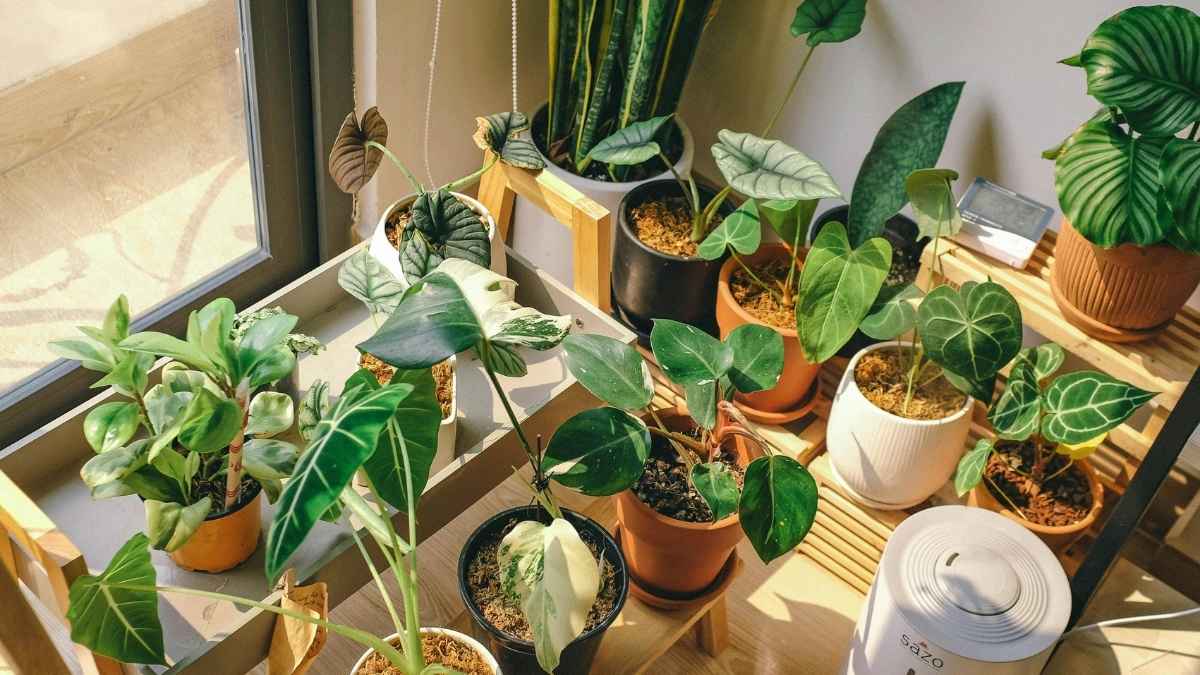
Here’s how you can bump up humidity:
It’s the easiest fix. A small humidifier next to your plants keeps them happy around the clock.
Set your plant pots on trays filled with pebbles and water. As the water evaporates, it gives your plants a little local boost in humidity.
Plants naturally boost humidity when they’re close together. Clustering them creates a cozy, moist microclimate.
Lightly mist leaves in the morning if you want, but skip it at night—damp leaves overnight invite fungus.
Even longtime plant people mess up in winter. Here are the usual slip-ups:
It’s the #1 killer. Remember that cold soil holds onto water much longer than in summer.
Hot, dry air damages leaves and cooks the soil. Give plants space away from vents—three feet or so is plenty.
Not paying attention to dry air is a big cause of brown tips and crispy edges. Your plants need more moisture than you think.
Dragging a plant from your warm living room to a frosty porch, then back again? Not a fan. Try to keep things steady.
You can’t force winter growth—feeding just stresses them out.
Want a lower-maintenance winter? Start with tough plants that barely notice the cold.
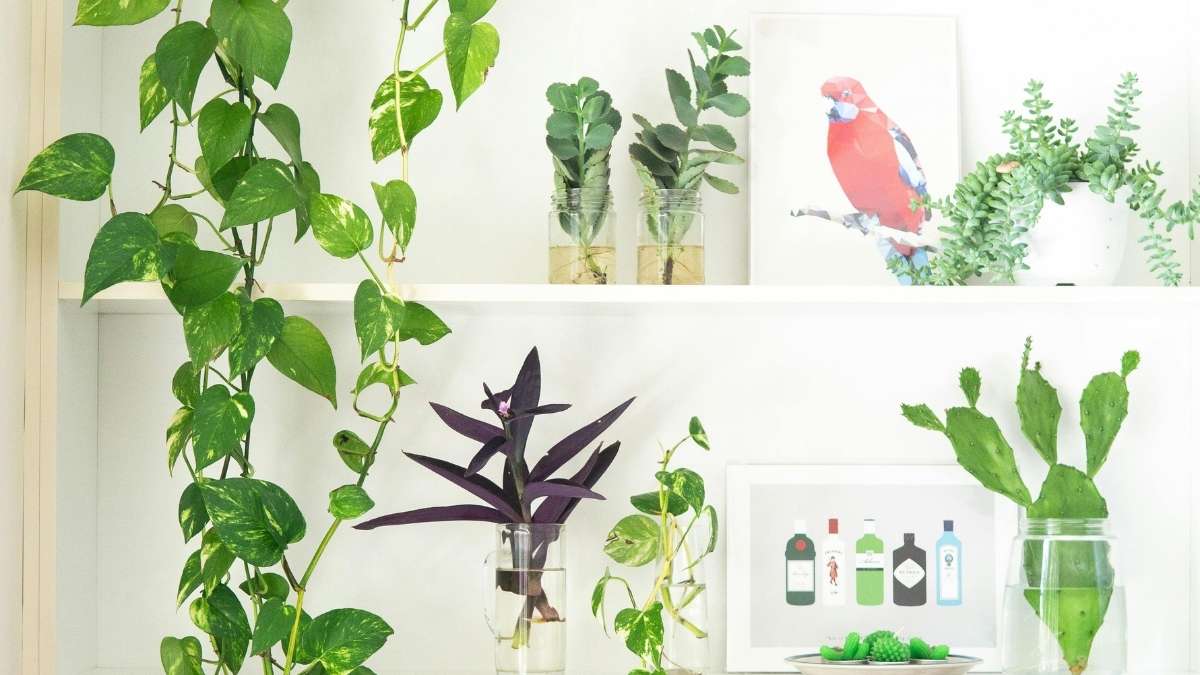
Tolerant of neglect, low light, and dry air.
Stores water in its roots—great for people who always forget to water.
Grows even with limited light and forgives the occasional missed watering.
Adapts quickly and shrugs off changing conditions.
Still looks good in low light and lets you know when it’s thirsty.
Start with these, and you’ll dodge most winter headaches. Once you’re comfortable, you can go for trickier varieties.
Winter doesn’t have to be the end of your houseplants. Getting them through is really about paying closer attention and shifting your habits just a little.
Keep them warm but not hot. Water less, but deeply. Add a little humidity. Let the light in. It doesn’t have to be complicated—just thoughtful.
Your plants work all year to make your home look alive. This season, return the favor. With patience and small, steady care, they’ll survive—and maybe even thrive—until spring.
Trust your routine. Check in on them every week. Even during slow, sleepy months, your plants are still growing.
Give Your Houseplants a Winter Boost
Start today. Add just one winter care trick, and you’ll notice the difference. Your home’s greener space will thank you.
Winter watering for indoor plants should happen less frequently than in warmer months. Most houseplants only need water when the top inch or two of soil feels completely dry. For many plants, that means watering every 10 to 14 days instead of weekly. Always check the soil rather than following a fixed calendar schedule.
Most indoor plants need at least 6 hours of indirect light daily, even in winter. Move plants closer to your brightest south-facing windows to maximise available light. If natural light is very limited in your home, a basic grow light used for 6 to 8 hours a day can help your plants stay healthy through the darker months.
The three most effective methods are using a small humidifier near your plants, placing pots on a pebble tray filled with water, and grouping plants together so they share each other’s moisture. Lightly misting leaves in the morning also helps. Brown leaf tips are usually the first sign that your plants need more humidity around them.
Yes. Most tropical houseplants are sensitive to temperatures below 50°F or 10°C. Cold drafts from windows, doors, and air vents can cause leaf drop, wilting, and browning. Part of knowing how to prep your indoor plants for winter so they don’t die is moving them away from cold glass and keeping room temperatures stable and warm.
No. Most indoor plants enter a rest phase during winter and don’t need feeding. Fertilizing during this period can push weak, unsustainable growth in low light conditions, which actually stresses the plant. Pause all fertilizing from late autumn through winter and resume in early spring when growth picks back up naturally.