Phone:
(701)814-6992
Physical address:
6296 Donnelly Plaza
Ratkeville, Bahamas.

Phone:
(701)814-6992
Physical address:
6296 Donnelly Plaza
Ratkeville, Bahamas.
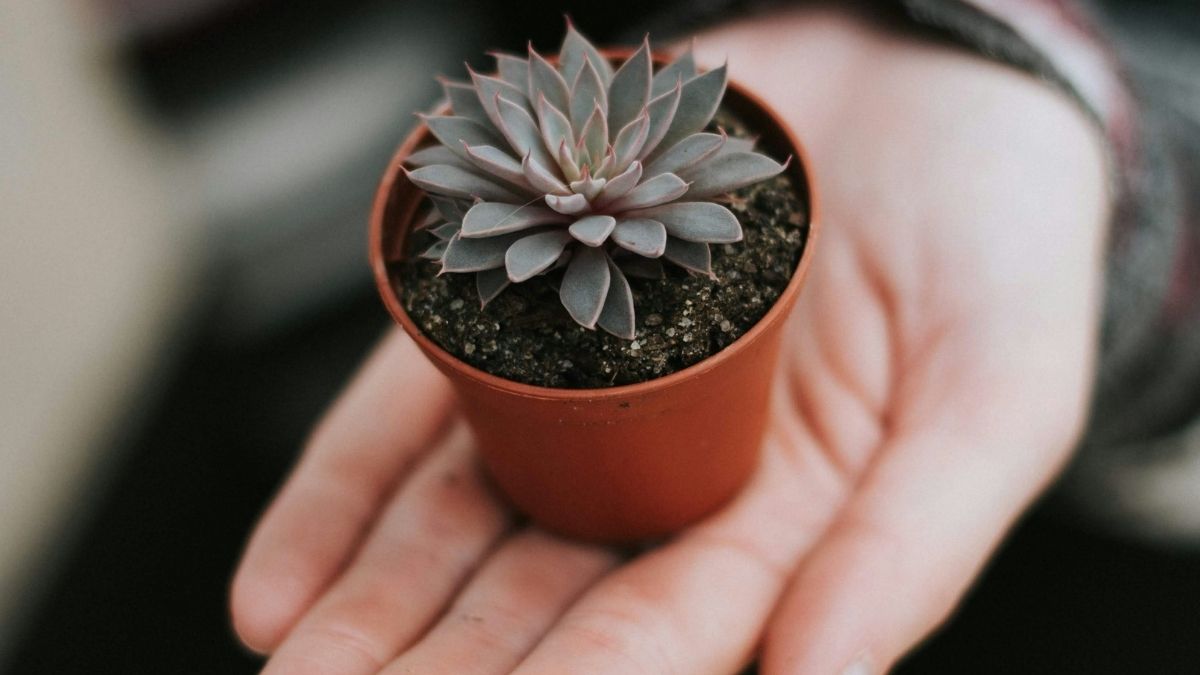
You pick out a gorgeous plant, bring it home, and for a little while, it’s the pride of your living room. Then, just like that, it turns droopy and sad. Sound familiar? You’re definitely not alone—plenty of people struggle to keep their houseplants alive. In fact, it’s not that hard once you know what your plants need. This guide breaks down how to actually keep your houseplants from dying, once and for all.
If you’re wondering how to Keep Your Houseplants Alive, the good news is that a few simple care habits can make all the difference.
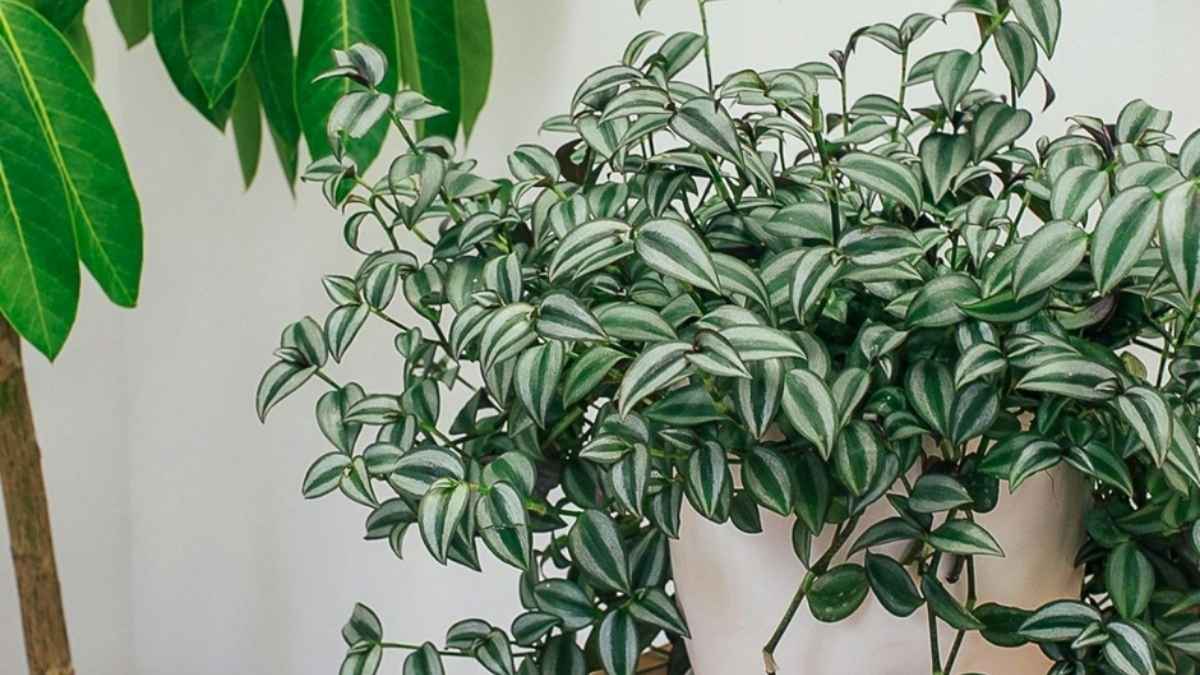
It’s rarely neglected alone. Usually, it’s the wrong kind of care that does them in. Overwatering is probably the number one culprit. Bad lighting, poor soil, and using the wrong pot don’t help, either.
Figuring out the problem is step one. Here’s what you can watch out for—and simple ways you can fix it.
Too much water is the fastest way to kill your plant. When roots sit in soggy soil, they rot, and rotted roots can’t move water or nutrients up to the leaves.
How to Spot an Overwatered Plant:
– Yellow or squishy leaves are a common sign of overwatering.
– The soil may smell bad and stay wet for too long.
– In some cases, mold appears on top of the dirt.
– You may also notice a soft, mushy stem near the base.
How to Fix It:
Stop watering. Seriously, just stop for now. Let the soil dry out. If the roots are already brown and mushy, take the plant out, trim off the rotten roots, and repot it in fresh, dry soil.
Pro Tip: Before watering, stick your finger a couple of inches into the dirt. If it’s still damp, wait. Your plant will thank you.
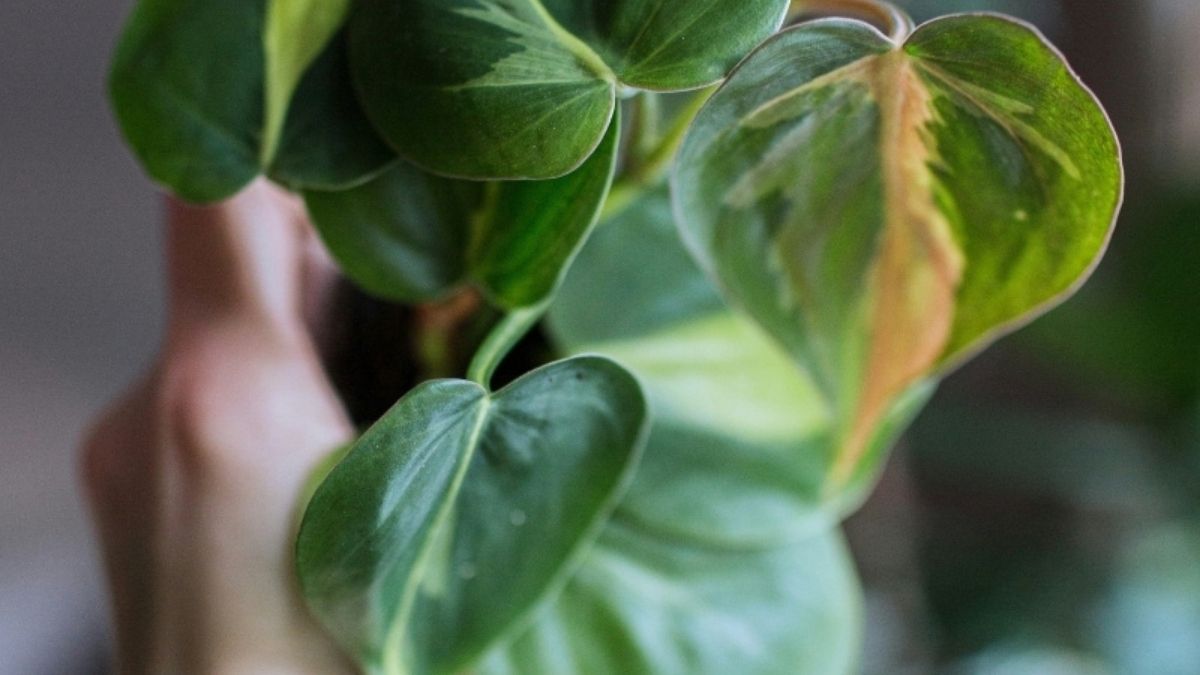
Sometimes it’s the opposite problem. The plant looks shriveled because it’s thirsty. However, the good news is, it’s easier to fix than root rot.
Signs of Thirsty Plants:
– Soil is bone dry, crumbling away
– Leaves are curling or crisp at the edges
– You pick up the pot—it’s light as a feather
How to Rescue It:
Water deeply! Pour water in until it starts to drip out the bottom, then give it a few moments before pouring off any excess. Don’t just sprinkle—go for that deep soak.
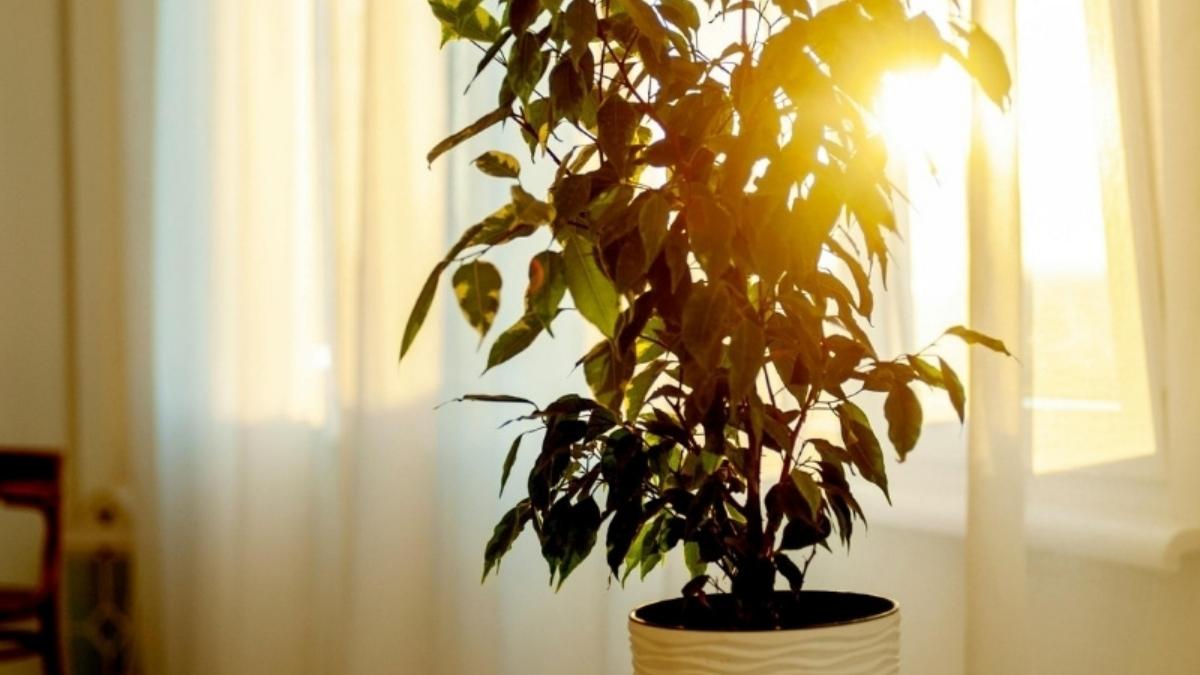
Plants basically eat light, and if they aren’t getting enough, they slowly fade. For example, move your plant to a brighter spot—that’s often the simplest fix.
Too Little Light:
– Stems grow long and spindly, reaching for more sun
– Leaves turn pale or yellow
– Nothing new is growing
Too Much Light:
– Leaf edges look burned or brown
– Leaves get dry and papery
– The plant wilts in the heat of the afternoon
How to Find the Sweet Spot:
Look up your plant’s needs. Bright, indirect sun? Direct sunlight? If you’re not sure, try a spot near a window but out of the harshest rays, or put up a sheer curtain to soften the sunlight.
Soil isn’t “just dirt.” Garden soil can be too heavy, suffocating roots in pots. Some plants want quick-draining soil, others want something that holds moisture.
Quick Guide to Potting Mixes:
| Type | Best Soil |
| Succulents/Cacti | Sandy soil with perlite
|
| Tropicals | Peat-based, well-draining
|
| Herbs | Standard all-purpose mix |
| Orchids | Bark chunk orchid mix
|
| Ferns | Rich, moisture-holding soil |
Good soil lets air (and water) in, and roots breathe easy. It’s a simple upgrade that can make a huge difference.
No drainage holes? Your plant’s on borrowed time. Water collects at the bottom, and you get root rot fast.
What to Watch For:
– Pots must have drainage holes, always
– Decorative pots are fine, but use a plastic liner with holes inside
– Don’t pick a pot that’s way too big. More soil means water stays soggy longer
Go up just one or two inches in pot size when moving up—it’s enough room without drowning the roots.
Most indoor plants like it warm and a little humid. Cold drafts or dry winter air stress them out fast.
Common Mistakes:
– Too close to AC or heater vents
– Up against cold windows in winter
– Moving the plant from hot to cold, or vice versa
How to Help:
– Put plants together—they boost humidity for each other
– Place the pot on a tray of pebbles and water (don’t let the pot sit IN the water)
– A small humidifier on the shelf works wonders
– Mist leaves, but do it in the morning so they dry before night
Therefore, winter is tough—this is when most plants need a little extra TLC.
Potting soil nutrients only last a few months. After that, your plant is hungry.
Nutrient Problems Look Like:
– Faded, pale, or yellow leaves (could be nitrogen)
– Leaves with a bluish or purple tint (phosphorus issue)
– Growth slows, or the plant just sits there
How to Feed:
– Use balanced liquid fertilizer (10-10-10 works for most)
– Only fertilize in spring and summer, when plants are actively growing
– Don’t dump in extra fertilizer—more isn’t better, and you can burn the roots
Less is better than too much here. A little food during the growing months is plenty.
Bugs are easy to miss at first, but they can wipe out a plant if you don’t catch them. Watch for tiny pests like spider mites, fungus gnats, mealybugs, and scale—they can slowly damage your plant if ignored.
Signs of a Pest Problem:
– Sticky residue on the leaves, or leaves look shiny for no reason
– White cottony stuff (mealybugs)
– Tiny webs (spider mites)
– Little flies buzzing around the soil (gnats)
How to Handle:
– Move the plant away from others right away
– Use a damp cloth to wipe down leaves
– Spray with neem oil or insecticidal soap for tougher critters
– Let the soil dry out well if gnats are taking over
Always check new plants before bringing them inside. Bugs spread fast.
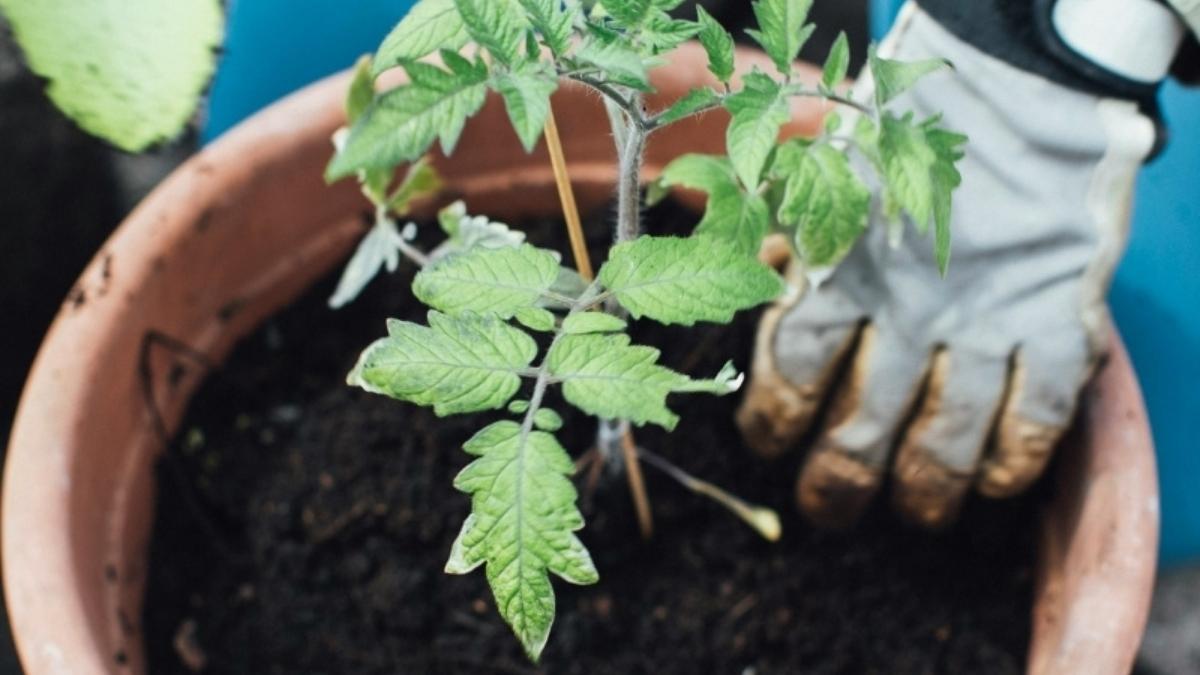
If a plant’s been in the same pot for ages, roots circle around and around, crowding each other. This stresses the plant and slows growth.
You Need to Repot If:
– Roots are poking out of the bottom
– Water runs straight through the pot, never soaking in
– The plant keeps falling over
– You see zero new growth even though you’re doing everything right
How to Repot:
Spring is the best time. Plants wake up and bounce back faster.
Plants really just thrive on a routine. Set aside a little plant time each week and stick with it.
Easy Weekly Care Checklist:
– Check soil moisture (don’t just stick to a watering schedule; check the soil)
– Rotate pots so all sides get the light
– Scan leaves for bugs or damage
– Wipe leaves with a damp cloth once a month
– Every season, look over the pot size and fertilize if needed
Make it a habit and you’ll spend less time worrying and more time watching your plants grow.
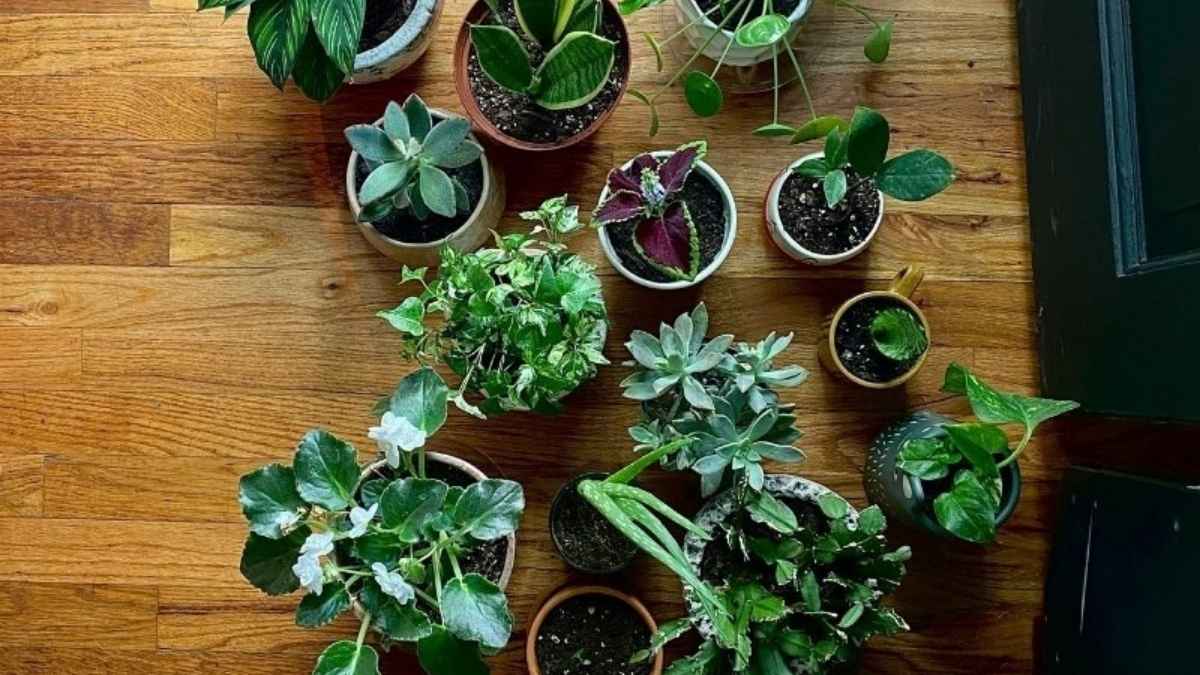
If you’re still learning, start with some that can take a bit of neglect:
– Pothos: tough, will grow almost anywhere
– Snake Plant: drought-tolerant, loves low light
– ZZ Plant: hardly needs water
– Spider Plant: as easy-going as it gets
– Aloe Vera: loves bright light, needs little water
In other words, start easy, learn as you go, and move on to fussier plants when you’re ready.
Really, keeping houseplants alive is all about noticing what they need. In short, get the basics right—water, light, soil, temperature—and check in on them now and then. You’ll get better as you go. Missed something and lost a plant? Don’t sweat it. Everyone does. That’s part of learning.
There’s no magic number—it depends on the plant and your room conditions. Most do fine with water every week or two, but always check the soil first. If the top 2 inches feel dry, go ahead. Succulents can often go even longer—every 2 to 3 weeks.
Usually, it’s overwatering, underwatering, or a lack of nutrients. Check the soil first. If it’s soggy, let it dry before watering again. Too dry? Give a deep soak. Watering’s fine but leaves are still yellow? Try a little fertilizer.
In most cases, yes. Figure out the root cause—bugs, rot, not enough water, or too much sun—and fix that first. Trim off any dead bits. Give your plant a little time to perk up. Most plants bounce back with some patience.
It really depends. Pothos and peace lilies do well with indirect light. Succulents and cacti love as much sun as you can give them—6+ hours if possible. Google your plant’s type for best results.
Nope—most plants slow down in winter and won’t use the extra nutrients. Start again in spring when you see new growth, and keep fertilizing through summer, maybe once a month. Too much in winter will do more harm than good.